r006tan_Tānewhirinaki, virtually stands.
Rebuilding Tānewhirinaki: A Digital Projection
The great whare Tānewhirinaki was built by the Ngātira chief Hira te Popo at Waioeka in 1874, to restore the iwi’s mana following the illegal land confiscations imposed after the killing of the German missionary Carl Völkner. Tānewhirinaki became implicated in ominous prophesies by Te Kooti. This association and disturbing events on the marae led to the house’s acquisition of frightening tapu. One myth tells that the whare would not be standing after a kumekume a ruaumoko and so by the time of the 1931 Napier earthquake, Tānewhirinaki was no longer standing. Unable due to re-erected due to funding, the whare carvings have been in storage since that time. It is a travesty that such a significant part of Aotearoa NZ’s history lies in pieces.
In 2010 the School of Architecture began a collaborative project with the mana whenua Ngāti Ira o Te Whakatohea to look at reconstructing the whare. A 2014 lecture by Jeremy Treadwell and Yun Sung was the story of the first stage of the project; to reconstruct the house as a walk-through digital model (with Jordon Saunders) to provide this generation of the iwi with their first view into Tānewhirinaki. The animation was made with the blessings of the hāpu who lifted the associated tapu.
Jeremy Treadwell is a senior lecturer at the University of Auckland School of Architecture and Planning. Jeremy is engaged in doctoral studies investigating the structure of the large 19th century Māori meeting houses. Yun Kong Sung graduated with a Master of Architecture (Professional) at the University of Auckland. His current work encompasses archaeology and conservation using 3D scanning, automation of prefabricated single living units, and building visualisation through augmented reality.

Form Follows Whakapapa: a tikanga Māori for tracing architectural influence.
Whakapapa means genealogy and is the core of traditional mātauranga Māori (Māori knowledge). If we apply this Māori concept of tracing genealogy to architecture, then we have a genealogical framework for tracing architectural influence in Aotearoa. If we accept Form Follows Whakapapa we can then start to navigate the future of the built environment.
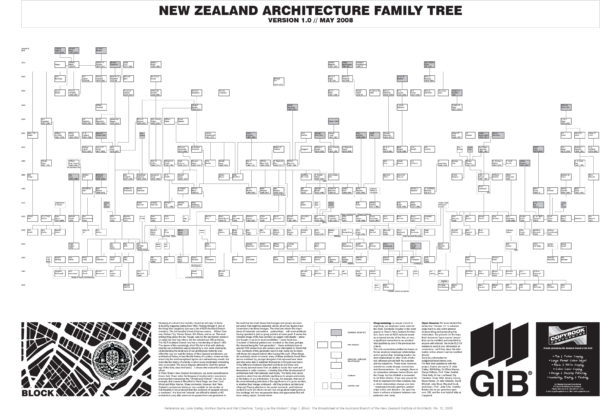
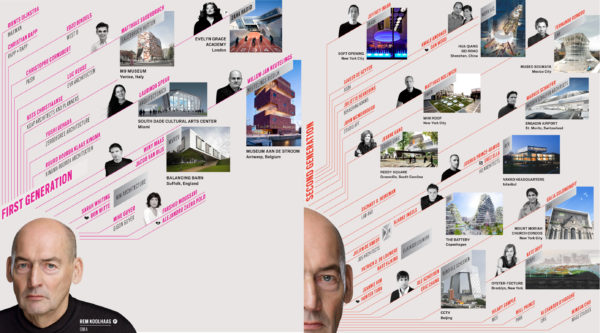
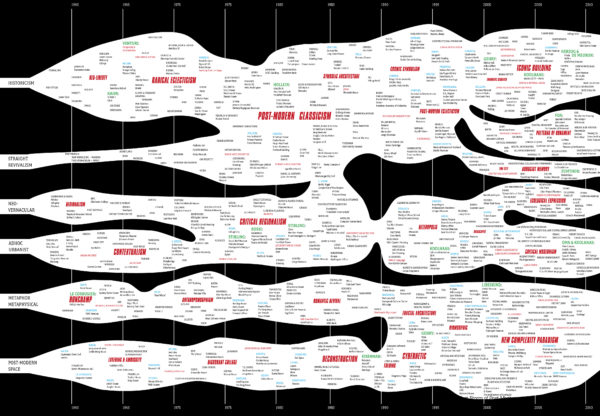
Form Follows Whakapapa binds our architectural relationships so that ideology, mythology, history, knowledge and custom are organized, preserved and transmitted from one generation to the next. Drawing and modeling avows a particular spatial knowledge such that the architect is well versed in infographics and diagrams. Whilst it might be tempting to consider information visualization a relatively new field that rose in response to the demands of the Internet generation, “as with any domain of knowledge, visualizing is built on a prolonged succession of efforts and events.”[1] In tracing architectural influence, it is likely that the family tree diagram will need to accommodate the efforts and events of: architects (Andrew Barrie’s NZ Architecture Family Tree, OMA Family Tree), ideologies (Charles Jenck’s Evolutionary Tree), publications (Andri Gerber’s Meta History tree) and even projects!? After all, every project the architect undertakes will ‘reference’ other projects, with branches according to: scale, materiality, landscaping.
Māori whakapapa and Foucault’s genealogy as methods of organising information… TBC
See also Barnaby Bennett’s excellent: Whakapapa and Architecture. Peer, Glimpse and Gaze: a pakeha view.
- Lima, Manuel The Book of Trees: Visualizing Branches of Knowledge
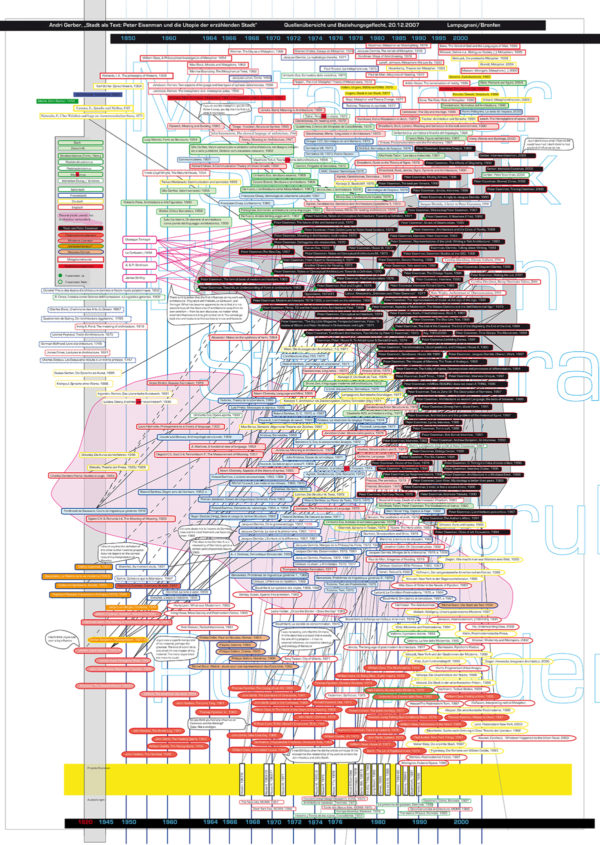
# THE FUNAMBULIST PAPERS 40 /// META-HISTORY, OR HOW TO TEACH HISTORY OF ARCHITECTURE IN THE ERA OF NEW MEDIA BY ANDRI GERBER
265cos_Phormium follows function: a NZ flax in Peckham

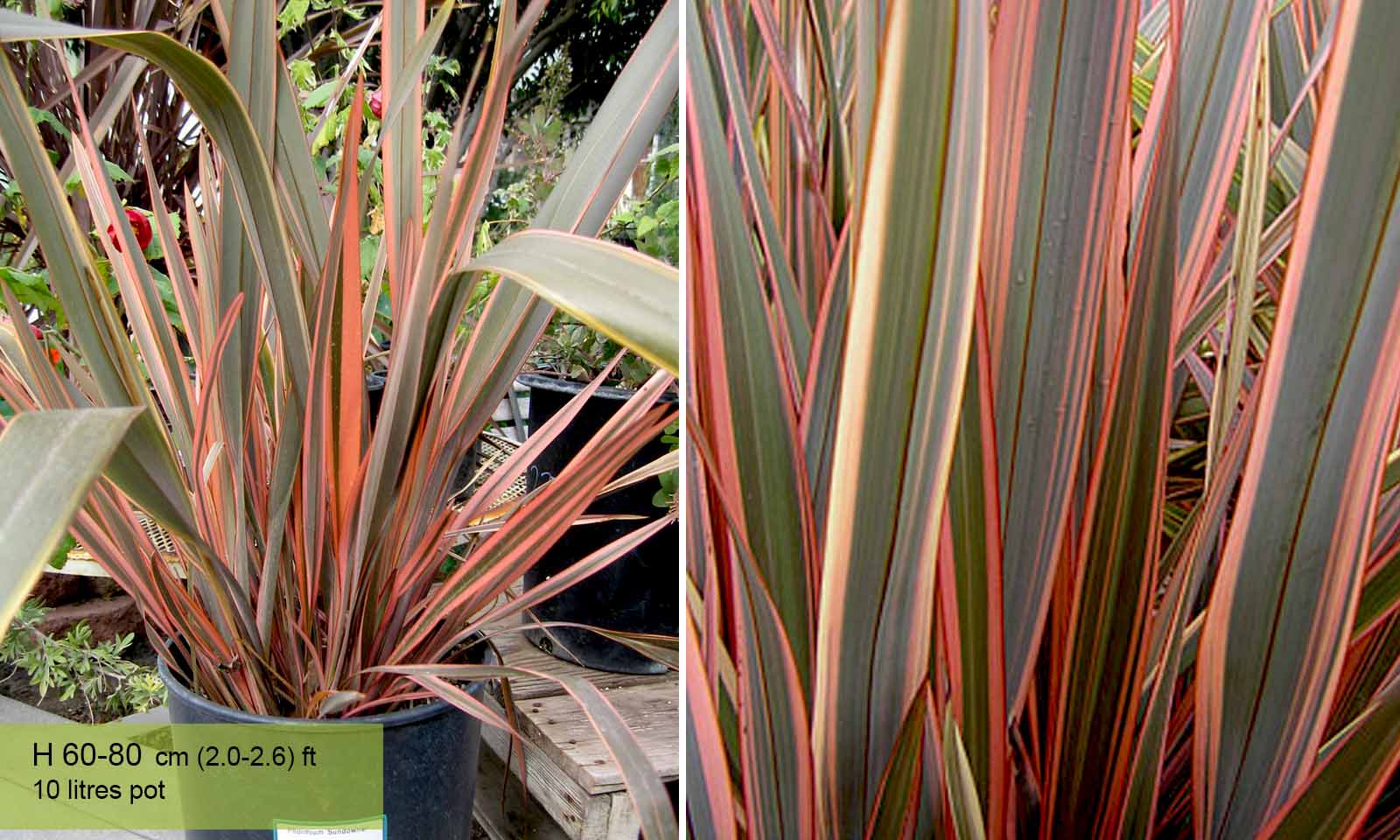
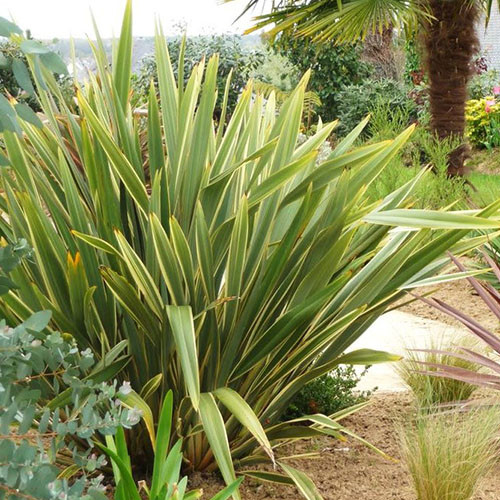 PHORMIUM TENAX VARIEGATA
SoAP_TIMBER TOWERS
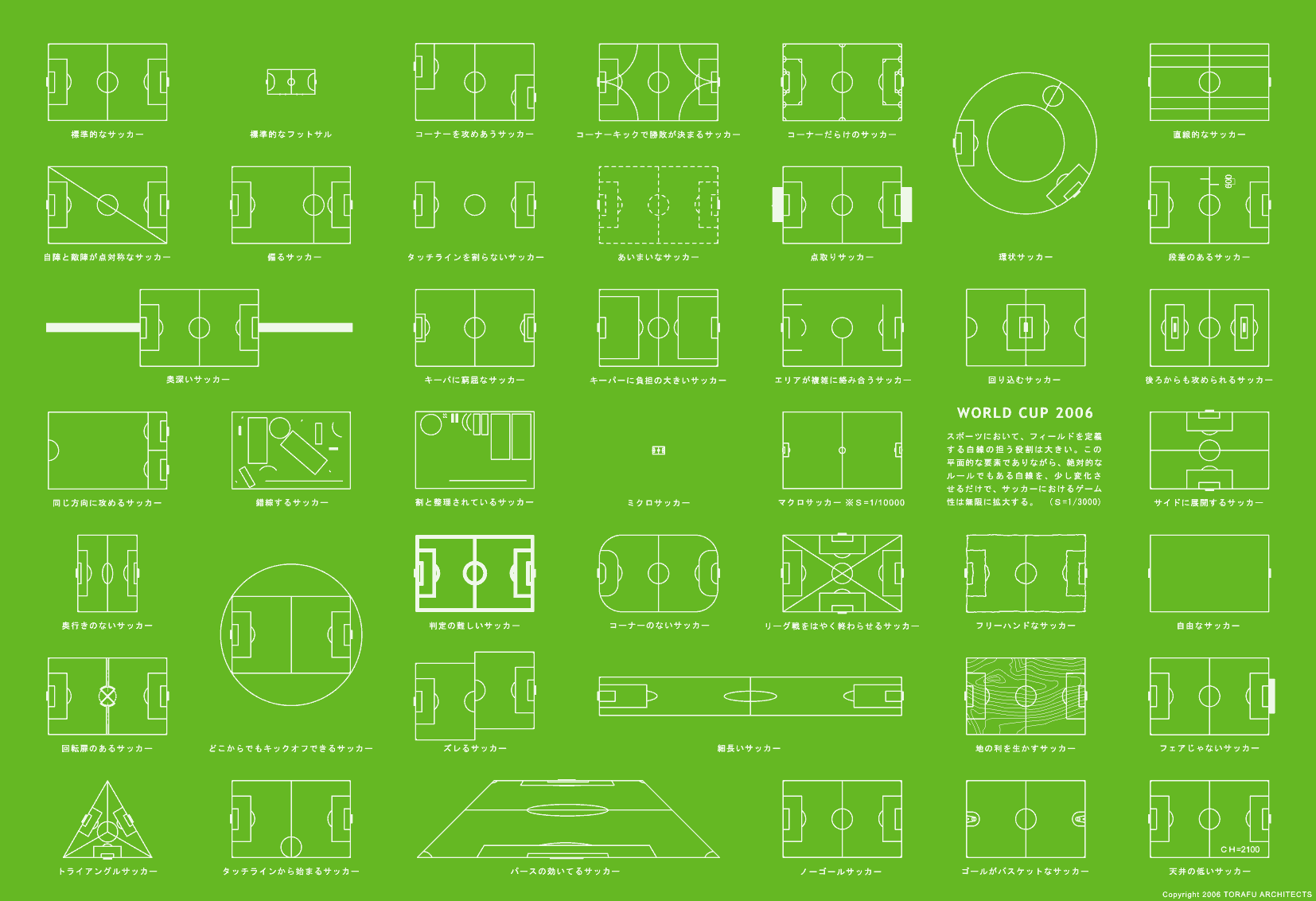
acq_The Football Project: Pub Football Opta/misation
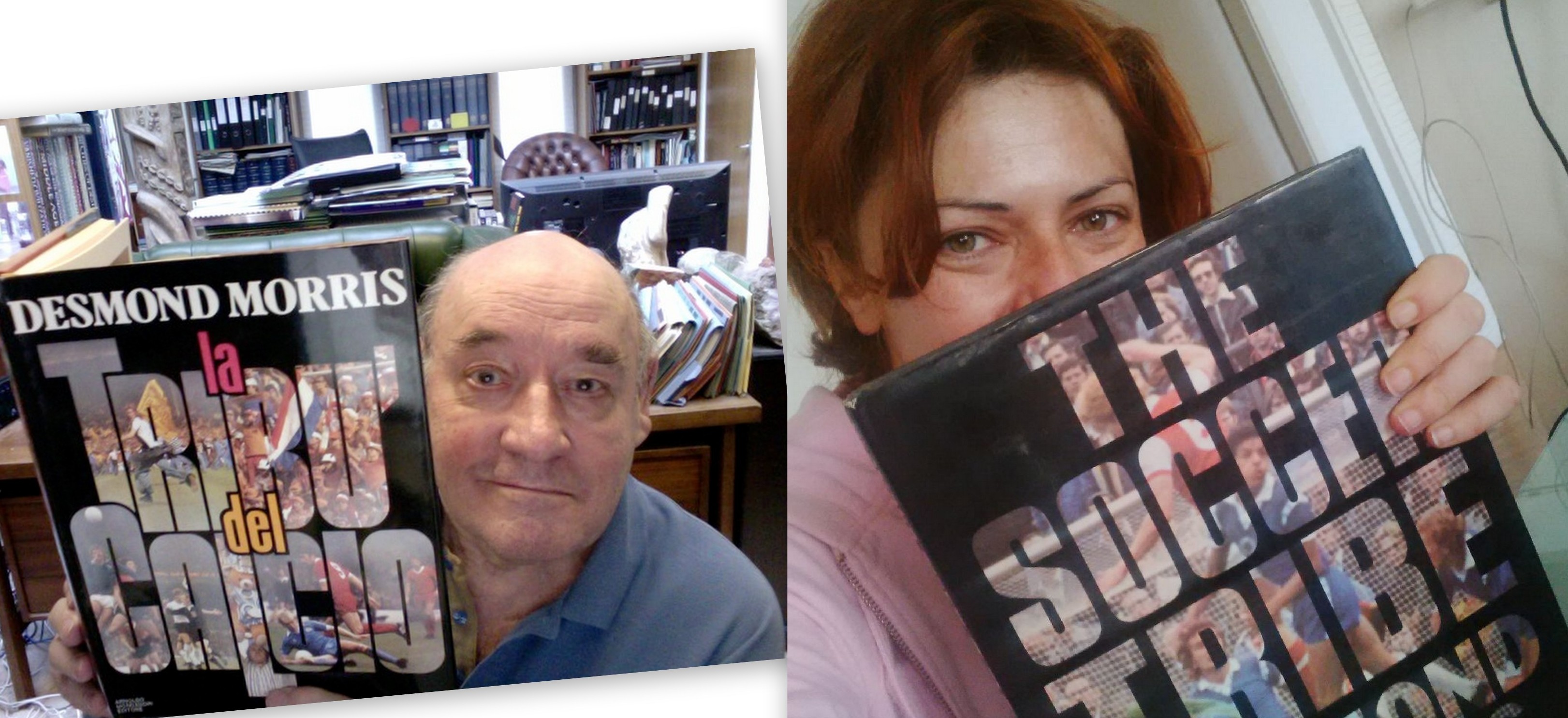
- ANTHROPOLOGICAL: Desmond Morris’s The Soccer Tribe: https://greisonanatomy.com/2014/06/14/morris/
- TECHNOLOGICAL: data driven social dynamics: https://www.blablablarchitecture.com/2014/03/179prs_architect-as-player/
- TECHNICAL: Football arbitration: a bridge to VAR?
- MEDICAL: better physical performance
- SOCIAL: fun is Johan Huizinga’s Homo Ludens: https://en.wikipedia.org/wiki/Homo_Ludens
- MUSICAL: https://www.youtube.com/watch?v=fLcEQnQFD0k
- CRITICAL: team up with our Community Of Practice: https://www.theblizzard.co.uk/search
- USEFUL: be a better person: Kinder!
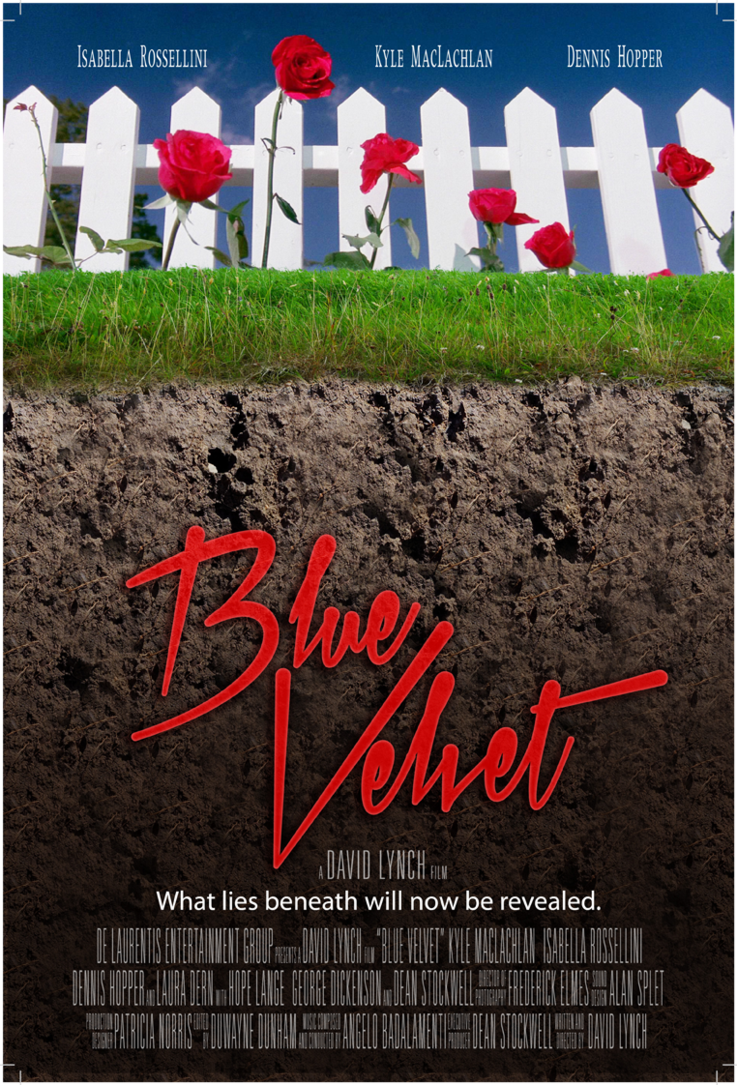
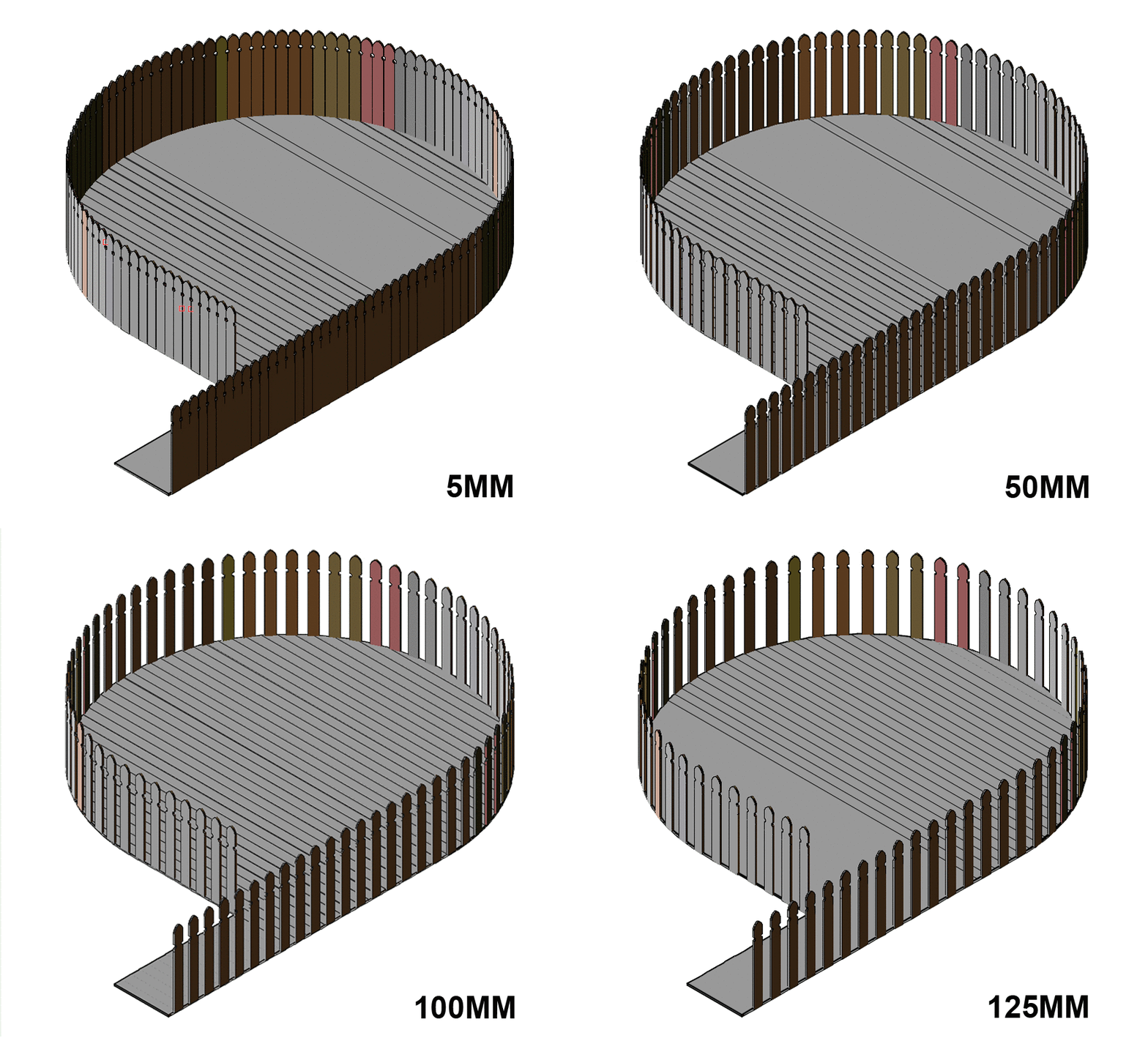
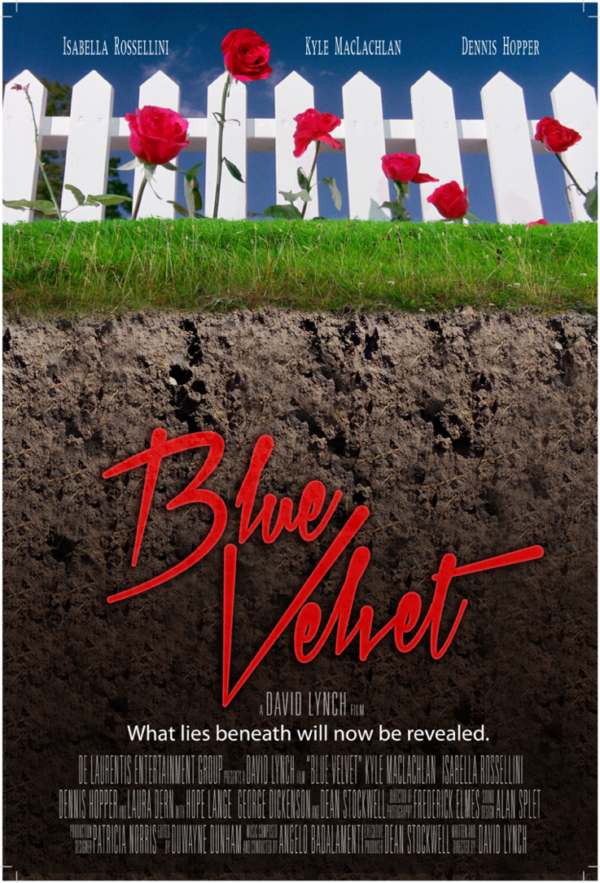
265cos_The architecture of the White Picket Fence.

265cos_Brick walls, slate roof
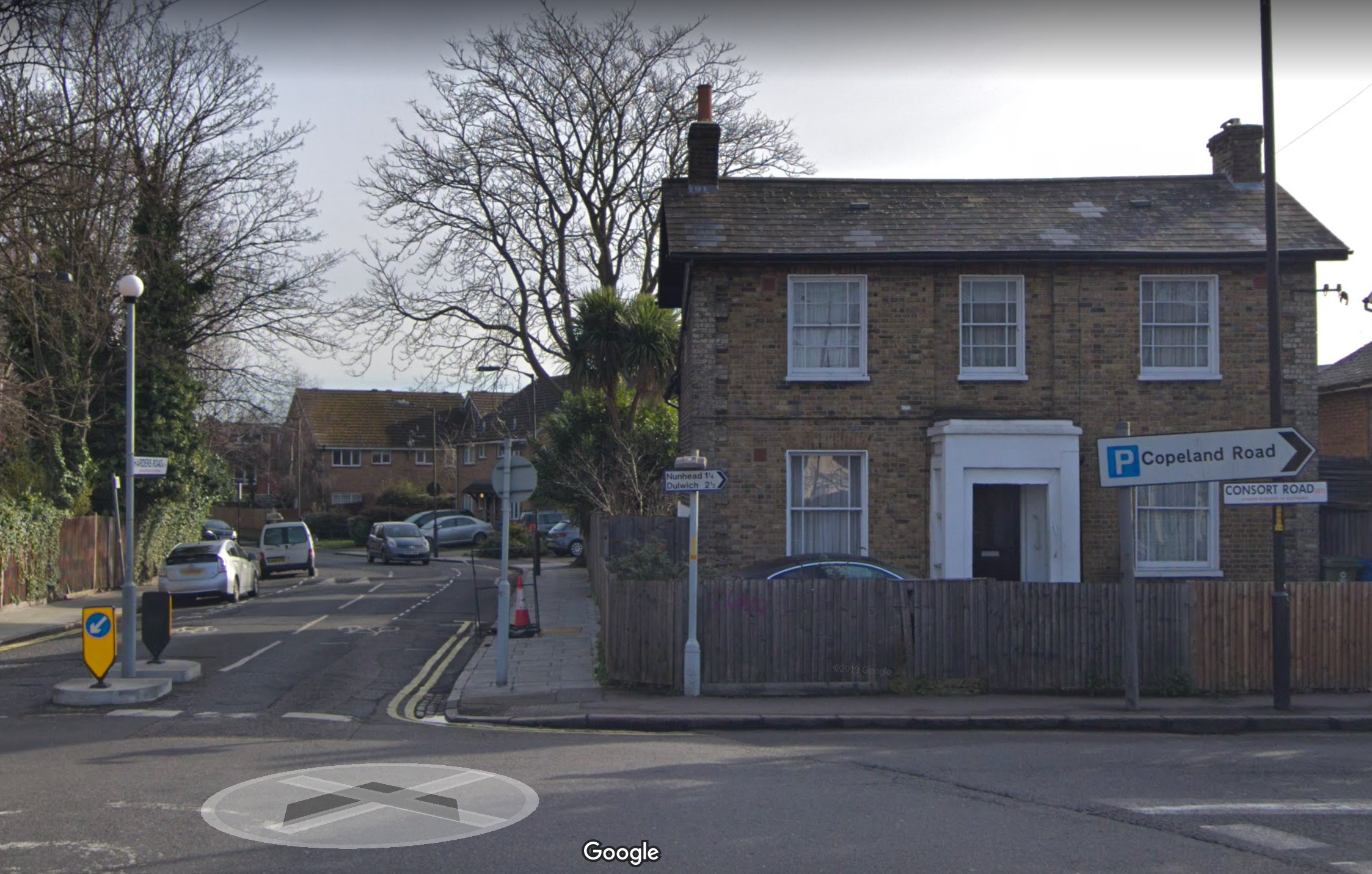
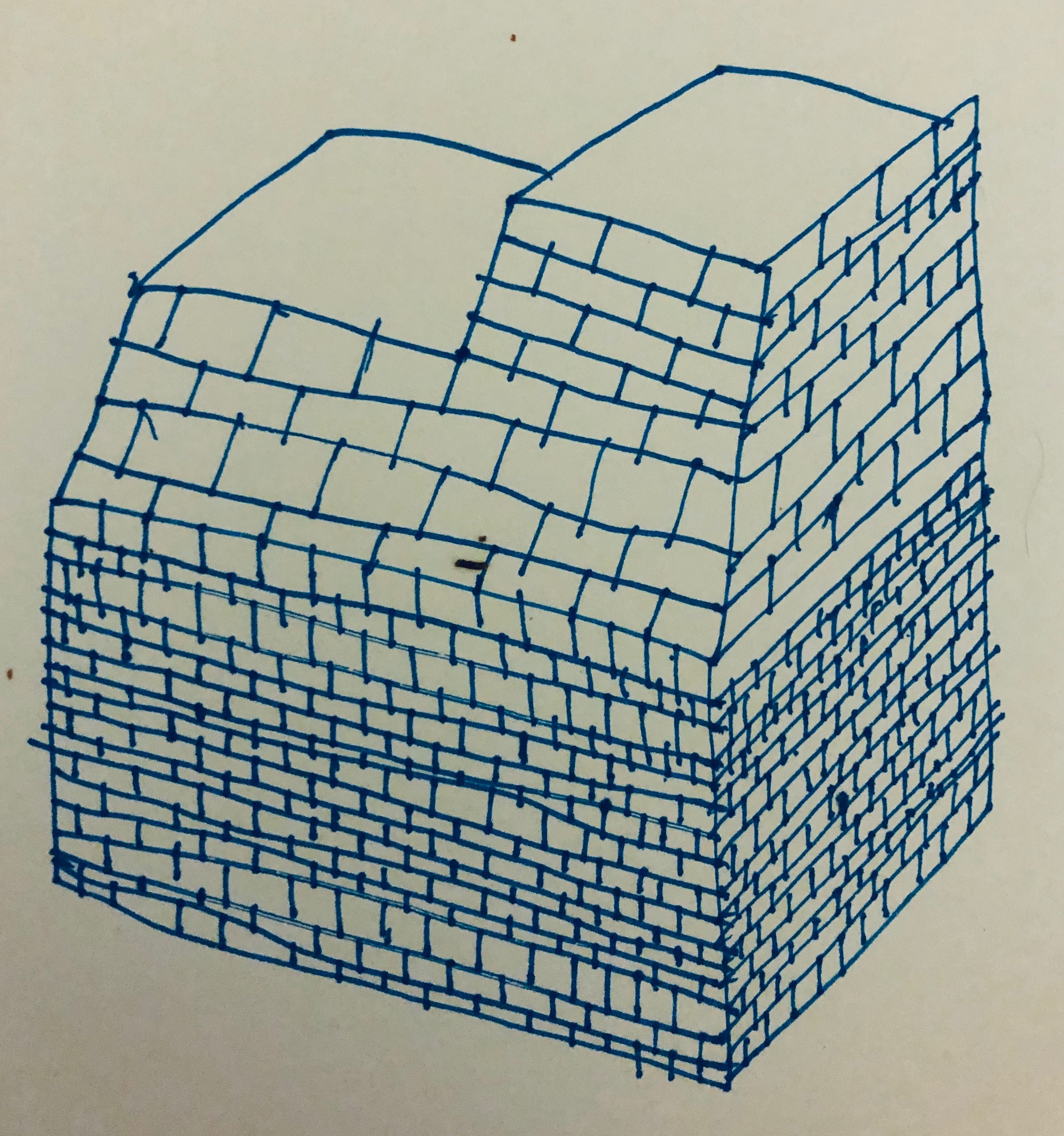 The materialisation of our Costa Street project in Peckham is merely a contemporary interpretation of the traditional two-storey semi-detached house. Formally this was a central entry, with framed windows and a pitched roof; materially, brick walls and a slate roof.
Gossip as discourse.
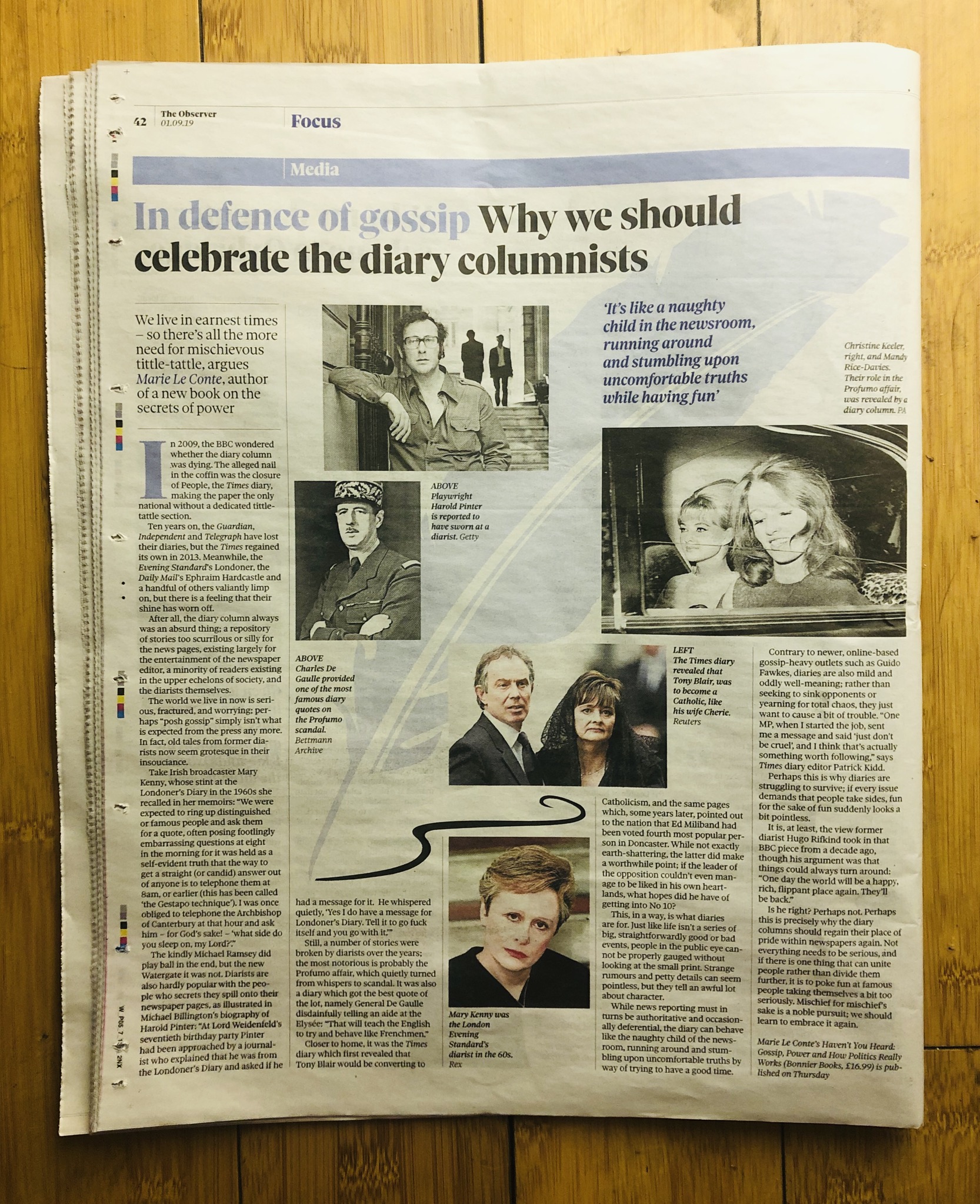
265cos_ slate v brick
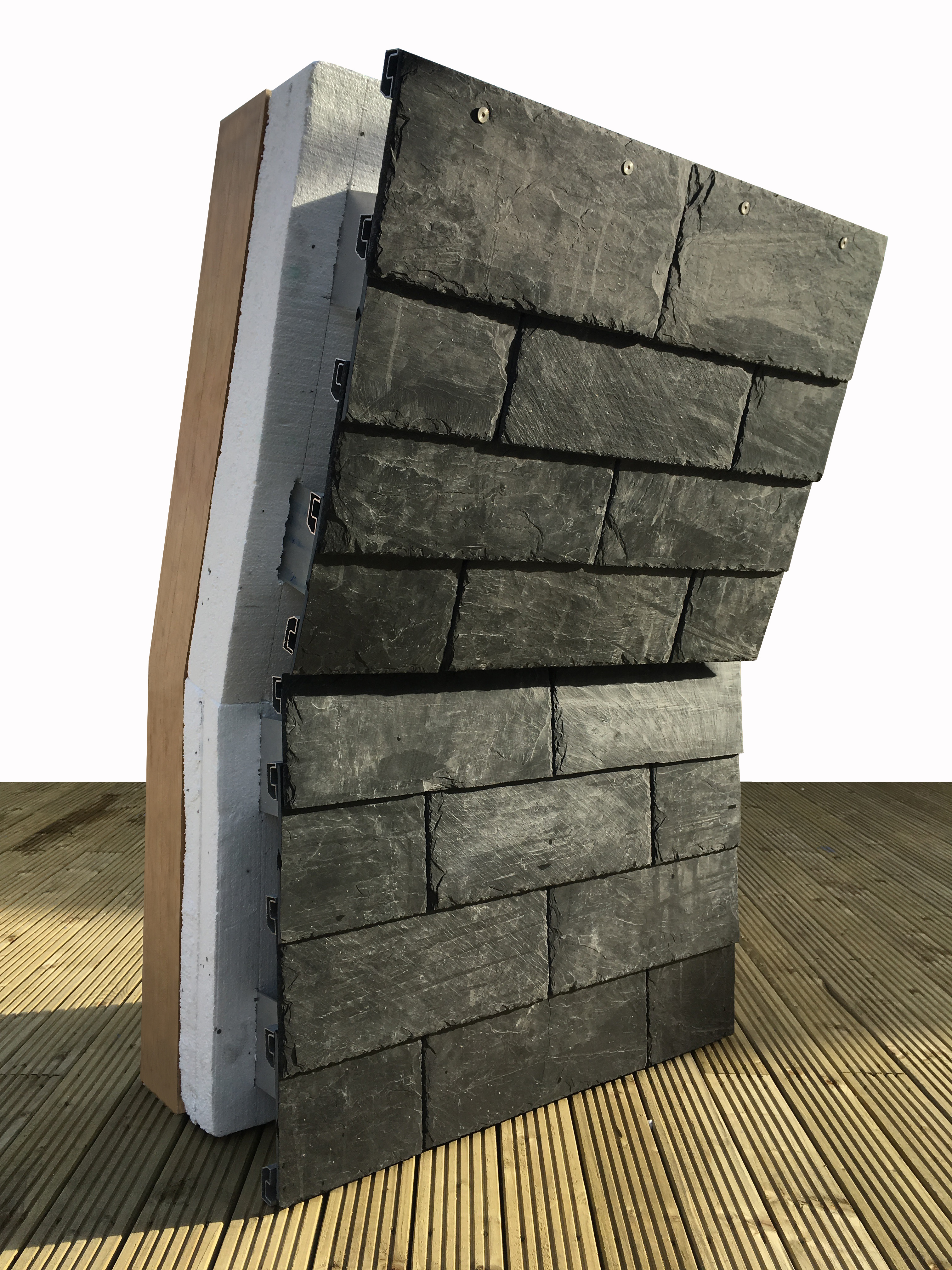 Slate (roofs) and brick (walls) are ubiquitous building materials in London and thus can readily facilitate planning consents through ‘normalcy’. On the other hand the architect in her quest for innovation is always asking: how can I contribute something new to the dialogue between brick and slate? She did a quick mock
 -up… TBC

- 000off_WHAT_admin (240)
- 000off_WHAT_people (88)
- 000off_WHAT_process (141)
- 000off_WHAT_RADIO (22)
- 000off_WHAT_TV (2)
- Uncategorized (22)
- WHAT_projects (680)
- 000mot_House on Motiti (9)
- 012hil_Rooftop Nursery (7)
- 015ree_HOUSE RE-EDITED (2)
- 022gas_Gasometer Gamestore (1)
- 048per_Villa XX (63)
- 056mod_Modling House (6)
- 064man_Iceberg House (2)
- 069hil_CSLCoEPS+CC (15)
- 072hin_Hinemihi (48)
- 086tho_OuterSpace (8)
- 094cla_clapham road (3)
- 096agn_Agnes Riley (17)
- 101par_WHAT_developments (11)
- 105mos_WHAT_mosque (2)
- 107oly_Olympic Landmark (4)
- 111llf_Little London Fields (8)
- 114eoe_Earl of Essex (9)
- 116abk_Salakitecture (7)
- 119bar_BAR 574 (7)
- 121kra_What Library (8)
- 127sho_Shoreditch Overground (55)
- 128art_shoreditch underground (43)
- 129fil_La filature (17)
- 130pod_the film trailer (4)
- 132nnr_fishing living (2)
- 136eoe_The Thin House (3)
- 138won_Crime and the City Solution (1)
- 141sie_Freetown House (7)
- 145cos_Costa Del Thames (3)
- 146oly_Splash (2)
- 148log_ANIMALS AND ARCHITECTURE (2)
- 154sps_the invisible house (6)
- 160hyb_HYBRID/GE LONDON (1)
- 162ico_Hybrid/ge Amsterdam (5)
- 163pea_Perforated Housing Plaistow (2)
- 165sei_Istanbul Seismic Retrofit (2)
- 171leg_Legobusier (4)
- 173ota_Otamiemi (2)
- 177mot_Motiti Master Plan (3)
- 178col_Columnar Towers (2)
- 179prs_practice based research (88)
- 181man_Durusu Manege (2)
- 186cze_sports hall (6)
- 187pyl_Pylon film (1)
- 189bis_Grey Town Masterplan (2)
- 192bul_bouldergaria (5)
- 201mic_ (1)
- 203car_aircraft hangar (3)
- 206win_Winchester Temp Event Space (5)
- 209gub_Tesco Test Cot (2)
- 210qat_WHAT_arabia (2)
- 212ist_Evstanbul (2)
- 213bla_Radio Blablablarchitecture (3)
- 215ash_Ashgabat (4)
- 218coa_Coalwharf Housing (1)
- 221dog_Spotted Dog (8)
- 224nef_Istanbul Womens Dormitory (3)
- 226pea (2)
- 229bat_Bath House Extrusion (2)
- 230pra_Prague 14 (1)
- 231bel_Belgrade Bus and Railway Station (4)
- 236tur_Turkmenistan Pavilion (2)
- 237dog_The Barkitect (6)
- 240val_VALLANCE FC (3)
- 241mer_MERZ BAU (6)
- 242ham_MOD TUDOR HOUSE (1)
- 243sol_SolidSpace (1)
- 245zer_Smart Billboard (3)
- 252car_Atlas Carz (1)
- 253ven_TBC (1)
- 256meh_Simply Fresh (3)
- 260gla_badassymmetry glasses (1)
- 264mar_MARBLE RESEARCH (1)
- 265cos_Game of Homes (19)
- 270lau_HOTELAUNDRETTE (1)
- 276amt_Amtico (2)
- 283off_Container (1)
- 284abh_London Grotto (3)
- 289acc_ACC36 AMERICAS CUP PLATFORM (1)
- r006tan_Tānewhirinaki (1)
- WHAT_design research (7)
- WHAT_TV (4)
- 048PER_BATHROOM MOCK PIN UP!?
- Contact
- Say WHAT_!?
ARCHIVE
- July 2024
- September 2023
- May 2022
- April 2022
- October 2021
- May 2021
- April 2021
- March 2021
- February 2021
- September 2020
- July 2020
- June 2020
- February 2020
- September 2019
- August 2019
- June 2019
- February 2019
- January 2019
- December 2018
- November 2018
- October 2018
- June 2018
- May 2018
- April 2018
- March 2018
- November 2017
- August 2017
- July 2017
- June 2017
- May 2017
- April 2017
- March 2017
- February 2017
- December 2016
- November 2016
- September 2016
- July 2016
- June 2016
- April 2016
- March 2016
- February 2016
- January 2016
- December 2015
- November 2015
- October 2015
- September 2015
- August 2015
- July 2015
- June 2015
- May 2015
- April 2015
- March 2015
- February 2015
- January 2015
- December 2014
- November 2014
- October 2014
- September 2014
- August 2014
- July 2014
- June 2014
- May 2014
- April 2014
- March 2014
- February 2014
- December 2013
- November 2013
- October 2013
- September 2013
- August 2013
- July 2013
- June 2013
- May 2013
- April 2013
- March 2013
- February 2013
- January 2013
- December 2012
- November 2012
- October 2012
- September 2012
- August 2012
- July 2012
- June 2012
- May 2012
- April 2012
- March 2012
- February 2012
- January 2012
- December 2011
- November 2011
- October 2011
- September 2011
- August 2011
- July 2011
- June 2011
- May 2011
- April 2011
- March 2011
- February 2011
- January 2011
- December 2010
- November 2010
- October 2010
- September 2010
- August 2010
- July 2010
- June 2010
- February 2010
- October 2009
- May 2007
- December 1996