179prs_LETS PLAY: THE ARCHITECT
According to Wikipedia, a Let’s Play is “a video, or less commonly a series of screenshots, documenting a playthrough of a video game, always including commentary by the gamer. A Let’s Play differs from a walkthrough or strategy guide by focusing on an individual’s subjective experience with the game, often with humorous, irreverent, or critical commentary from the gamer, rather than being an objective source of information on how to progress through the game.” “From the onset of computer video entertainment, video game players with access to screenshot capture software, video capture devices, and screen recording software have recorded themselves playing through games, often as part of walkthroughs, speedruns or other entertainment form. One such form these took was the addition of running commentary, typically humorous in nature, along with the screenshots or videos; video-based playthroughs would typically be presented without significant editing to maintain the raw response the players had to the game. Though others, such as The Yogscast, had used the same approach at the time, the forums at the website Something Awful are credited with coming up with the term “Let’s Play” in 2007 to describe such play throughs.” The Yogscast is a network of YouTube broadcasters who produce gaming-related video content, focused around their main YouTube channel, “YOGSCAST Lewis & Simon“. The channel initially gained popularity with its videos about the MMO World of Warcraft though videos about the Minecraft brought it to widespread attention. After receiving help from many sources, some of these now friends wanted help from Brindley and his partner Simon Lane to create YouTube channels of their own. After this point, many more content creators/YouTube channels joined the Yogscast, hence them being known as “The Yogscast Family”. In June 2012, The Yogscast’s primary channel, YOGSCAST Lewis & Simon, became the first channel in the United Kingdom to reach one billion views. By the end of 2014, The Yogscast had:
- 18 members of staff, working ‘behind the scenes’ (not necessarily content creators)
- 19 officially noted networked channels (not all being advertised with The Yogscast’s in-house advertising style)
- A total of 20,867,994 subscribers on YouTube within the noted network
- A total of 5,186,510,091 video views on YouTube within the noted network

179prs_THE NAME GAME
It is… possible to conceive of a science which studies the role of signs as part of social life. It would form part of social psychology, and hence of general psychology. We shall call it semiology (from the Greek semeîon, ‘sign’). It would investigate the nature of signs and the laws governing them. Since it does not yet exist, one cannot say for certain that it will exist. But it has a right to exist, a place ready for it in advance. Linguistics is only one branch of this general science. The laws which semiology will discover will be laws applicable in linguistics, and linguistics will thus be assigned to a clearly defined place in the field of human knowledge.
—Cited in Chandler’s “Semiotics for Beginners”, Introduction.
“The Name Game” is an American pop song written and performed by Shirley Ellis as a rhyming game that creates variations on a person’s name. Ellis told Melody Maker magazine that the song was based on a game she played as a child. The Name Game could also be applied to buildings. Architecture & Design looked at buildings which have had a moniker assigned to them. In 1st place is a building from… NZ! “The Beehive is the common name for the Executive Wing of New Zealand’s parliament buildings. The original concept was designed by Scottish architect Basil Spence in 1964. It got its name due to looking like a beehive.” Duh! Building nicknames are always visual associations. In 2nd place is “The Gherkin or 30 St Mary Axe in London was previously known as the Swiss Re Building. It was designed by Norman Foster and Arup, and was completed in 2003. It got its name due to its highly unorthodox… (da-rah) appearance.” In 5th place is “The Shard: This 87-storey skyscraper is known as The Shard, but also the Shard of Glass, Shard London Bridge and formerly London Bridge Tower. It is currently the tallest building in the European Union and was designed by Italian architect Renzo Piano. Piano’s design was met with criticism from English Heritage, which claimed the building would be “a shard of glass through the heart of historic London”, thus its name was born. It helps it also looks like a shard of glass.” Interestingly enough, NZ has some heritage in nicknames and thus has tiny URLs embedded in its national psyche. Recent commentary during the World Cup Cricket has made colloquial reference to Wellington’s Regional Stadium: “The highlight of Guptill’s late-innings assault was a 110m six he launched over mid-wicket and onto the roof of the ‘Cake Tin’. Beyond architecture, other forms of popular culture have also demonstrated the Name Game. A Dog’s Show was a television series that was screened at prime time on a Sunday night. This gave a mass national audience exposure to ‘canine name games’, Ted, Red, Fred, which facilitate expedient sheep herding!





048per_HOUSELIFE: ARCHITECTURE FROM ORDINARY POV
As we shoot 048per_ we are reminded of HouseLife. The first project of the Living Architectures series, Koolhaas Houselife portrays one of the masterpieces of contemporary architecture. The film lets the viewer enter into the house’s daily intimacy through the stories and daily chores of Guadalupe Acedo, the housekeeper, and the other people who look after the building. Pungent, funny and touching.
000off_TOP 10 OF EVERYTHING 2015
WHAT_architecture features in the 2015 edition of the Top 10 Of Everything!
National Book Store #1 Bestseller, August 2014: ‘With more than a thousand of the most intriguing and fascinating facts, comprising a listing of the top 10 in each category, the book is enough to keep you flipping its pages for days and dazzling your friends with your knowledge of top 10 most successful video games, top 10 fastest military machines, top 10 biggest video game movie adaptations, top 10 craziest rides/experiences to the top 10 most awesome skate parks, the list is endless.’ A range of special features provide fun ways for readers to further engage with the facts on the page, including interactive ‘You Rate’ boxes, ‘Head to heads’, ‘Fact flashes’, ‘Shuffle up’, ‘Compare-o-meters’ and ‘Your Shout’ spreads. New for this edition are detailed magnifications that zoom in on all the fantastic detail and ‘Danger’ boxes showcasing really scary stuff, while more bar and pie charts provide a visual route to understanding the data. 

221dog_MINECRAFTYTECTURE
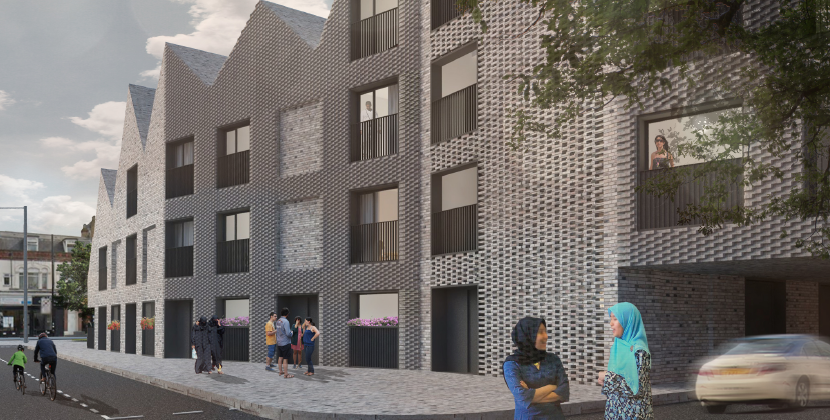
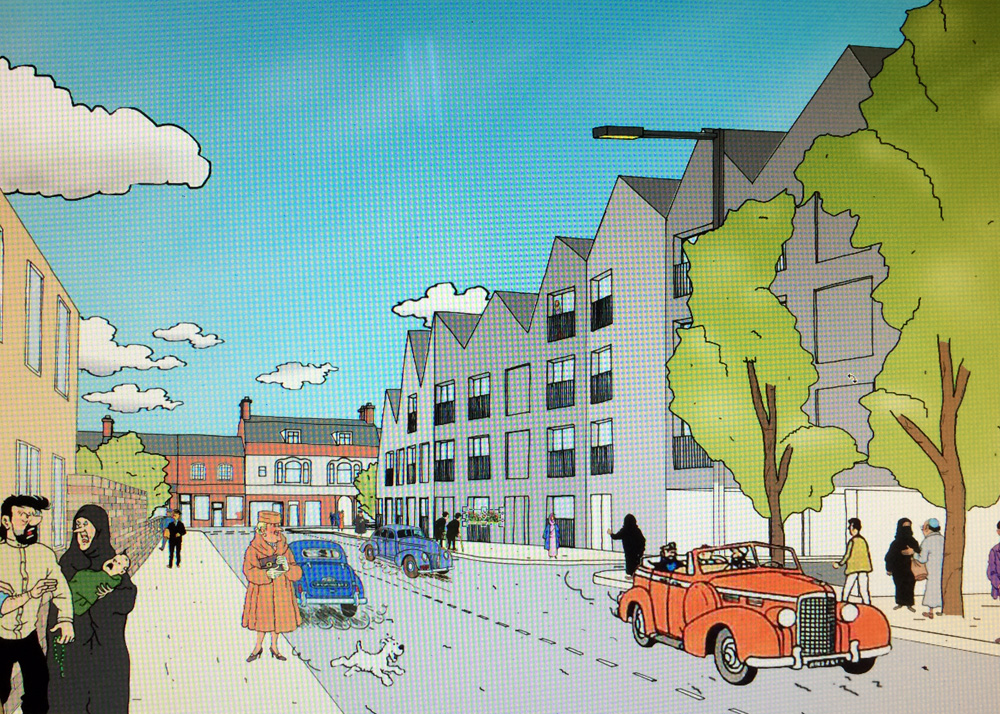
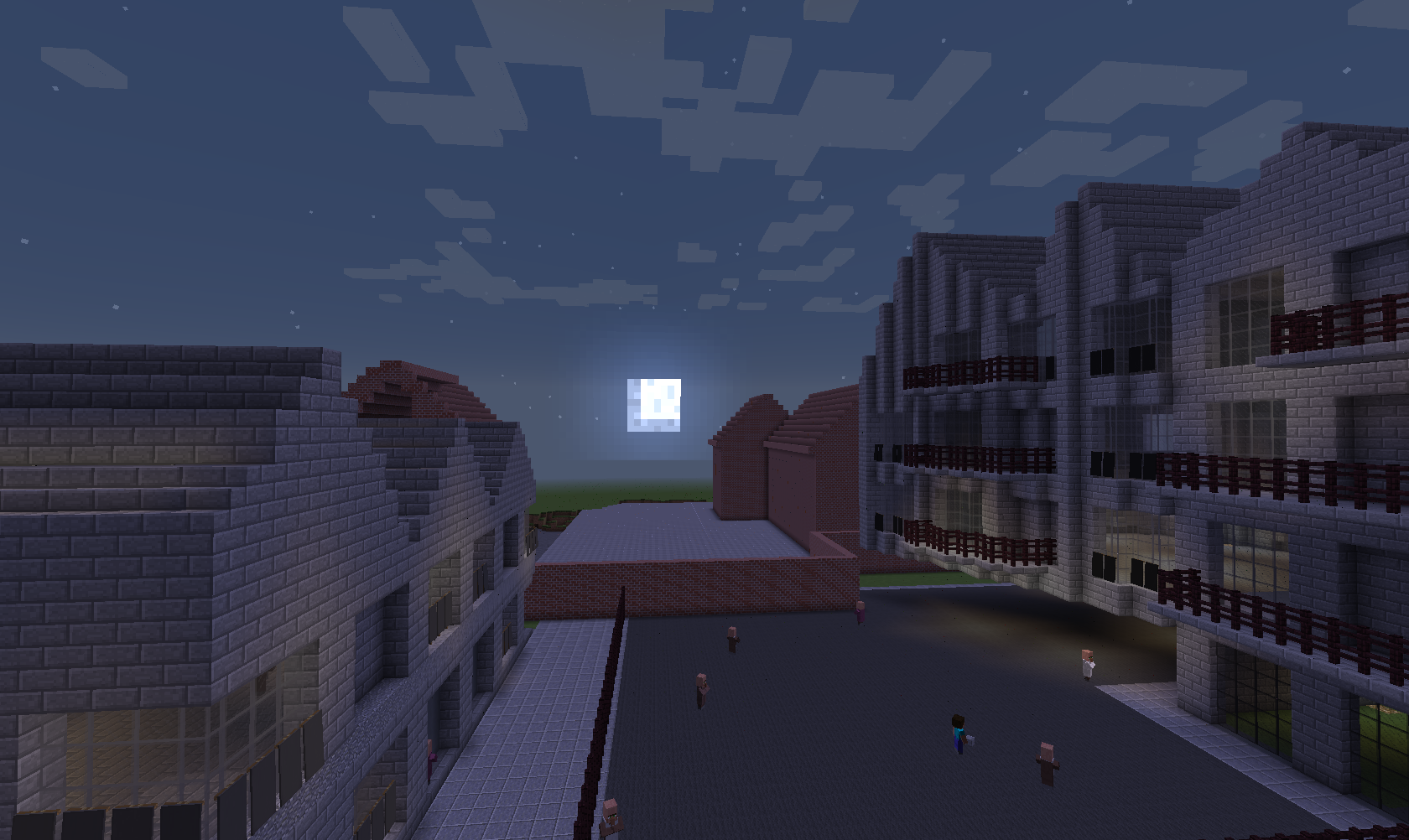
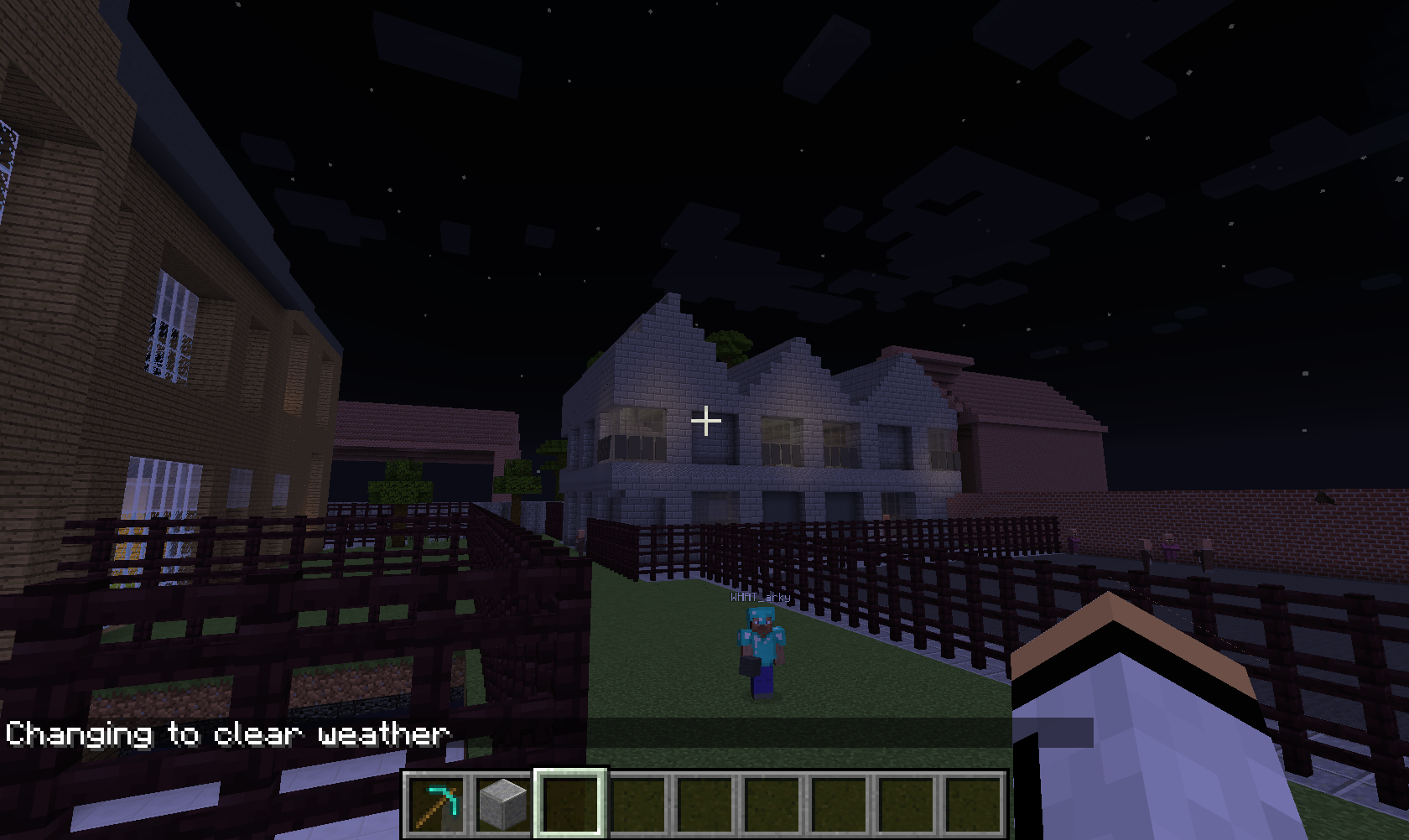
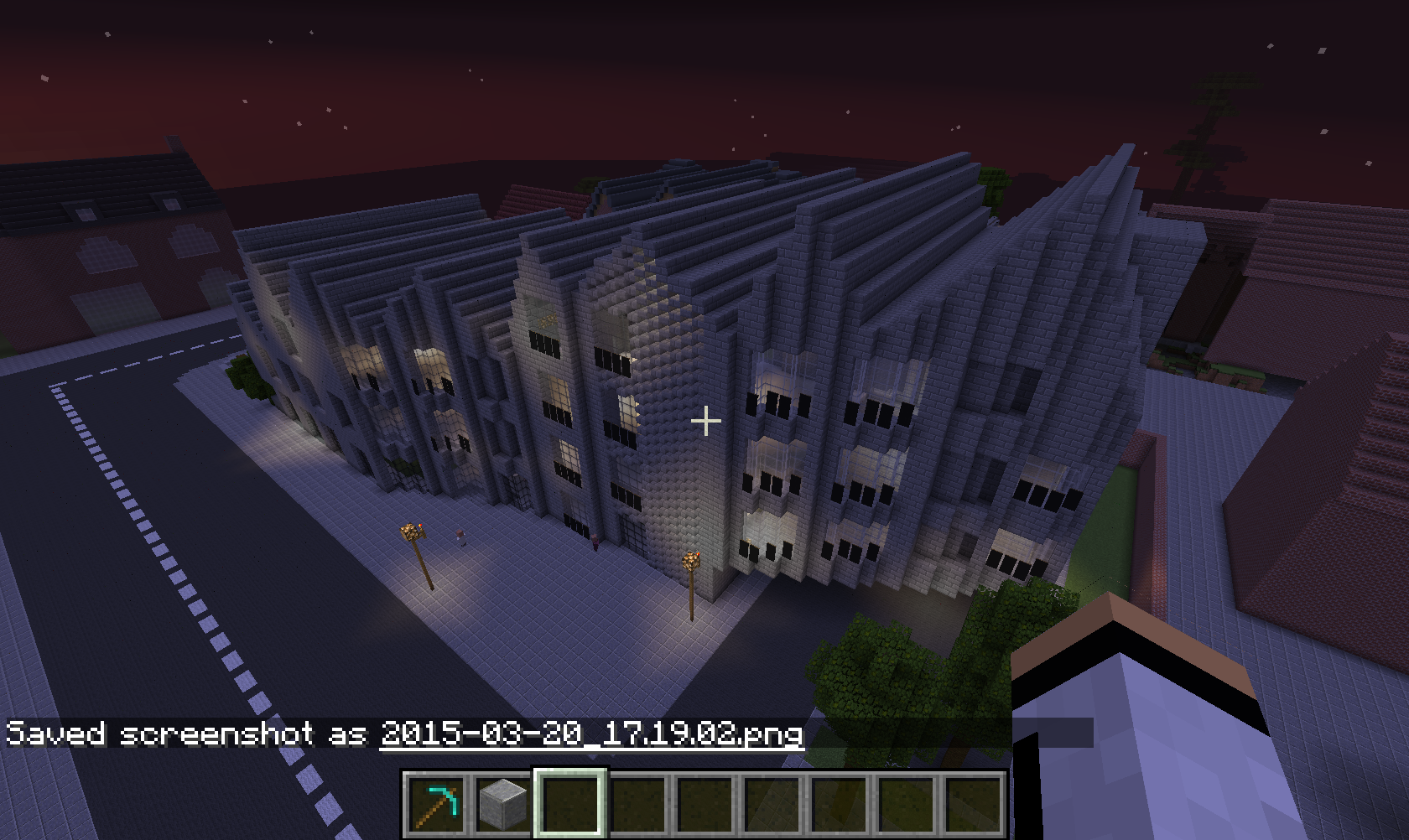
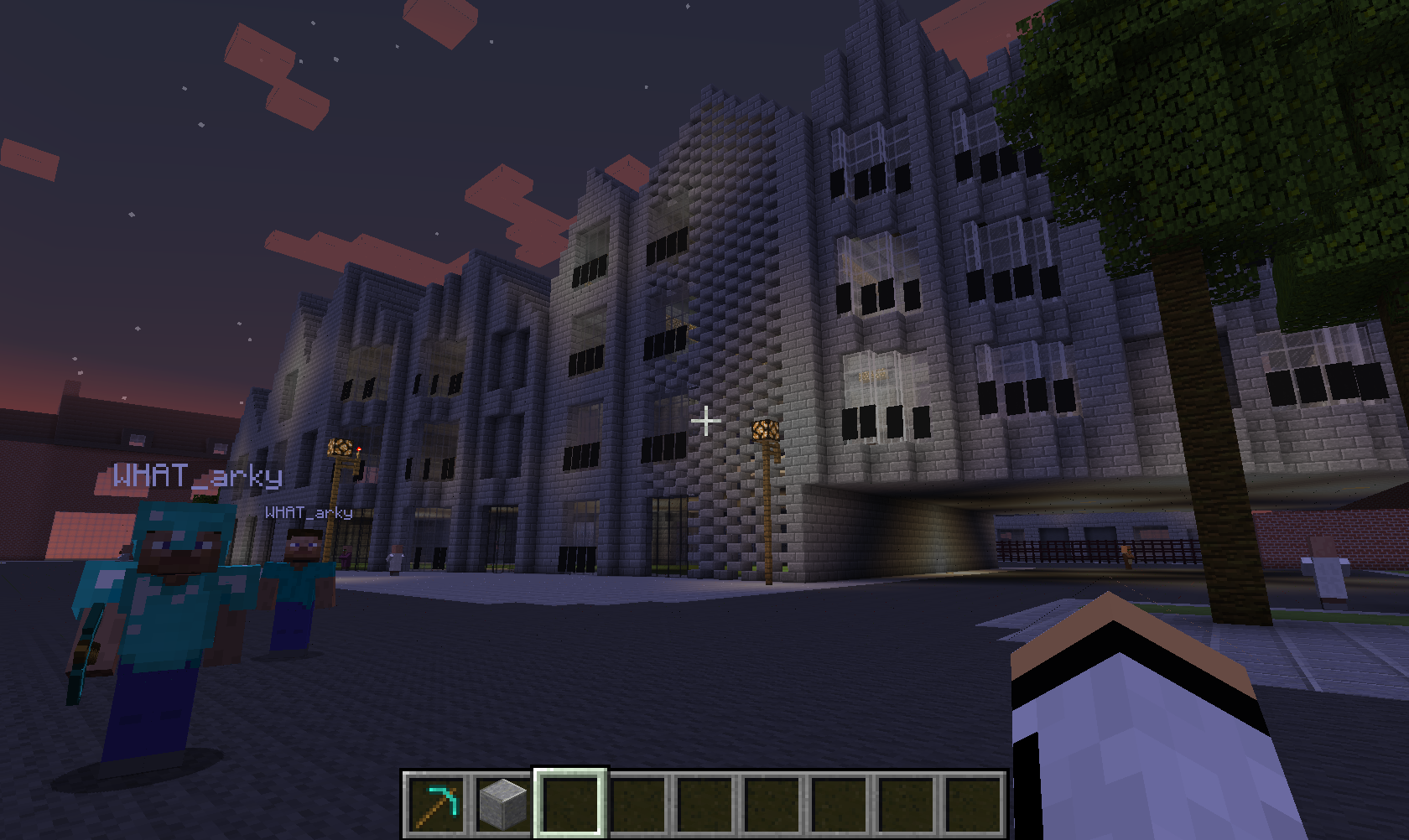
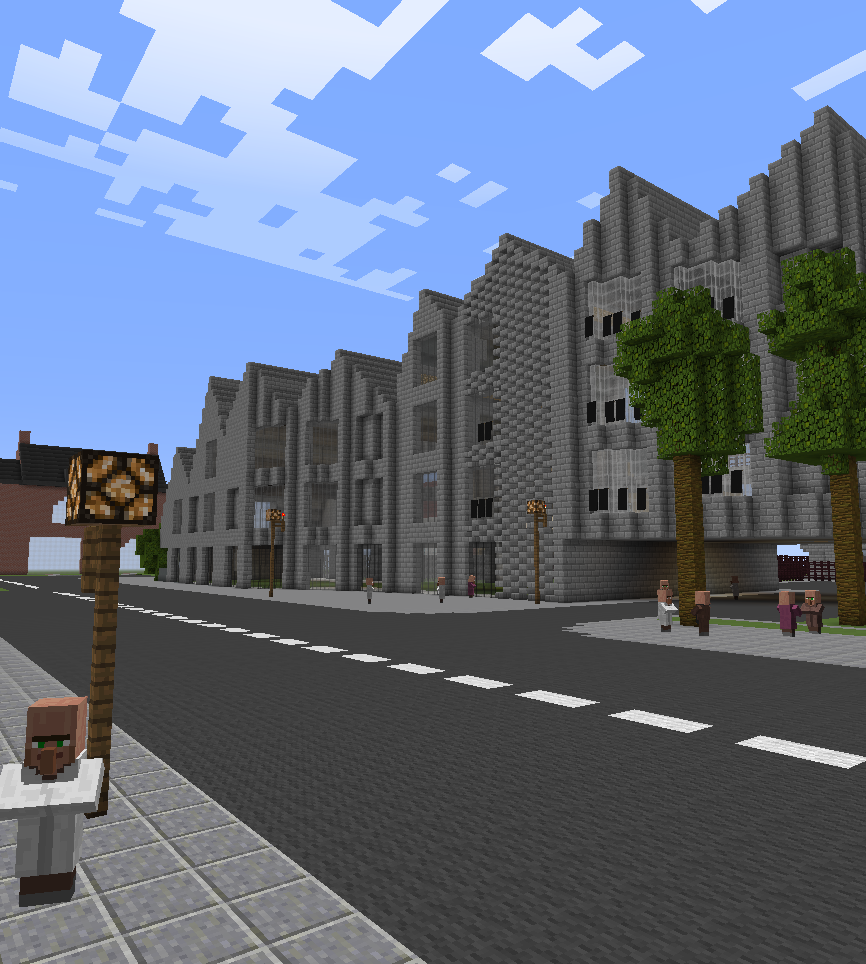 Lisa, our work placement student from Stoke Newington School, demonstrated to the office how easy it is (for her 😉 to draw the Spotted Dog project using Minecraft, the game “about breaking and placing blocks. At first, people built structures to protect against nocturnal monsters, but as the game grew players worked together to create imaginative things.” Lisa, 15, with a little assistance from Maui, 11, worked together in real time such that each ‘player/builder/modeller’ was visible on the other’s monitor. Lisa built her model without conventional architectural 2D plan/section/elevational drawing info, using only our CGI and TinTin renders with which to eyeball proportions using a single Minecraft cubic ‘pixel’ as her base unit (in this way she’s following in the footsteps of da Vinci and Durer in their use of the human head in proportioning the human figure).
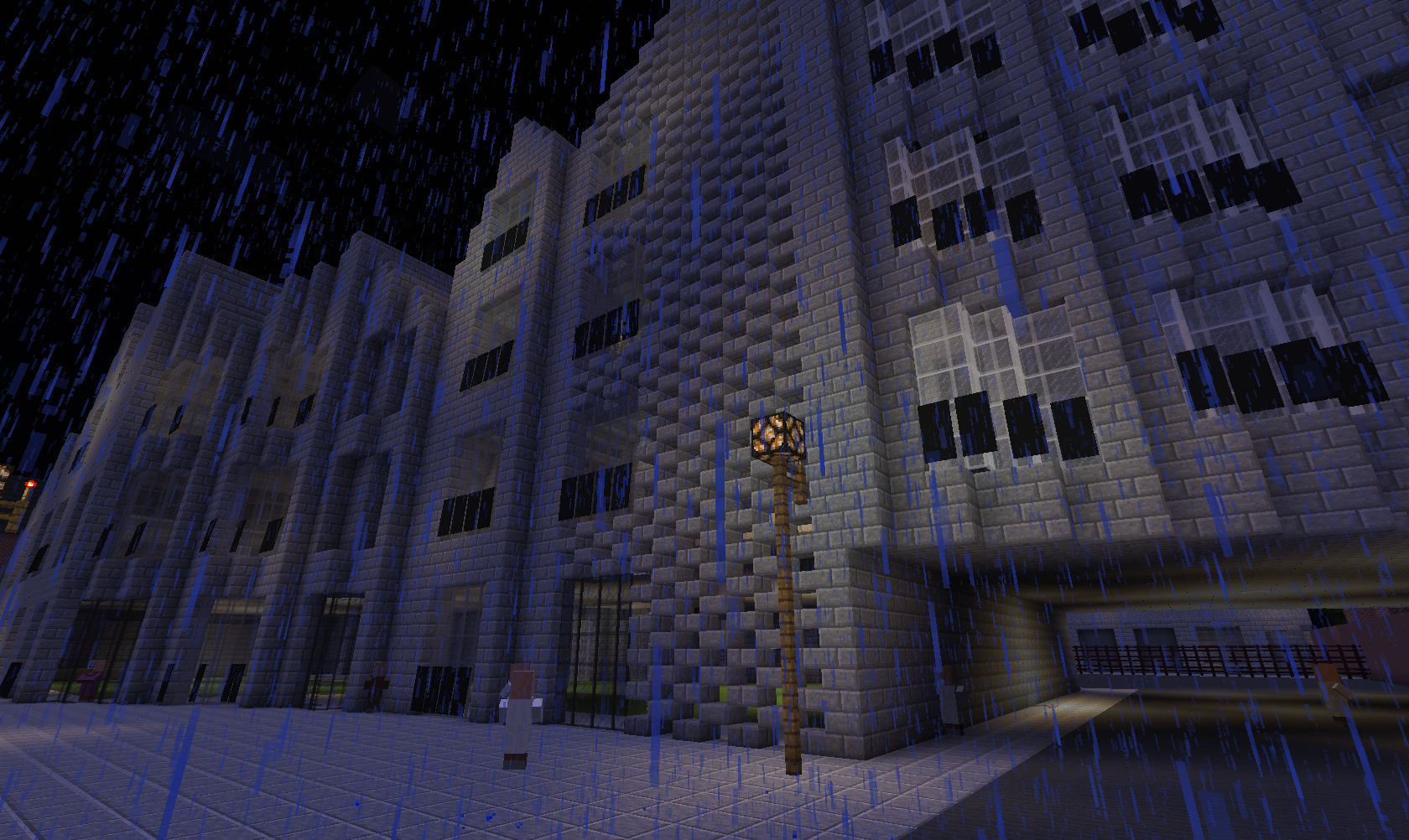
Architecture has yet to produce real-time multi-user drawing softwares so has something to learn from ‘multi-player’ games such as Minecraft. Asides from realtime collaborative building, Minecraft also features a 20minute day / night cycle such that one hour’s realtime gameplay equates to 3 Minecraft days. There are also various light settings… TBC
Lisa, our work placement student from Stoke Newington School, demonstrated to the office how easy it is (for her 😉 to draw the Spotted Dog project using Minecraft, the game “about breaking and placing blocks. At first, people built structures to protect against nocturnal monsters, but as the game grew players worked together to create imaginative things.” Lisa, 15, with a little assistance from Maui, 11, worked together in real time such that each ‘player/builder/modeller’ was visible on the other’s monitor. Lisa built her model without conventional architectural 2D plan/section/elevational drawing info, using only our CGI and TinTin renders with which to eyeball proportions using a single Minecraft cubic ‘pixel’ as her base unit (in this way she’s following in the footsteps of da Vinci and Durer in their use of the human head in proportioning the human figure).
Architecture has yet to produce real-time multi-user drawing softwares so has something to learn from ‘multi-player’ games such as Minecraft. Asides from realtime collaborative building, Minecraft also features a 20minute day / night cycle such that one hour’s realtime gameplay equates to 3 Minecraft days. There are also various light settings… TBC
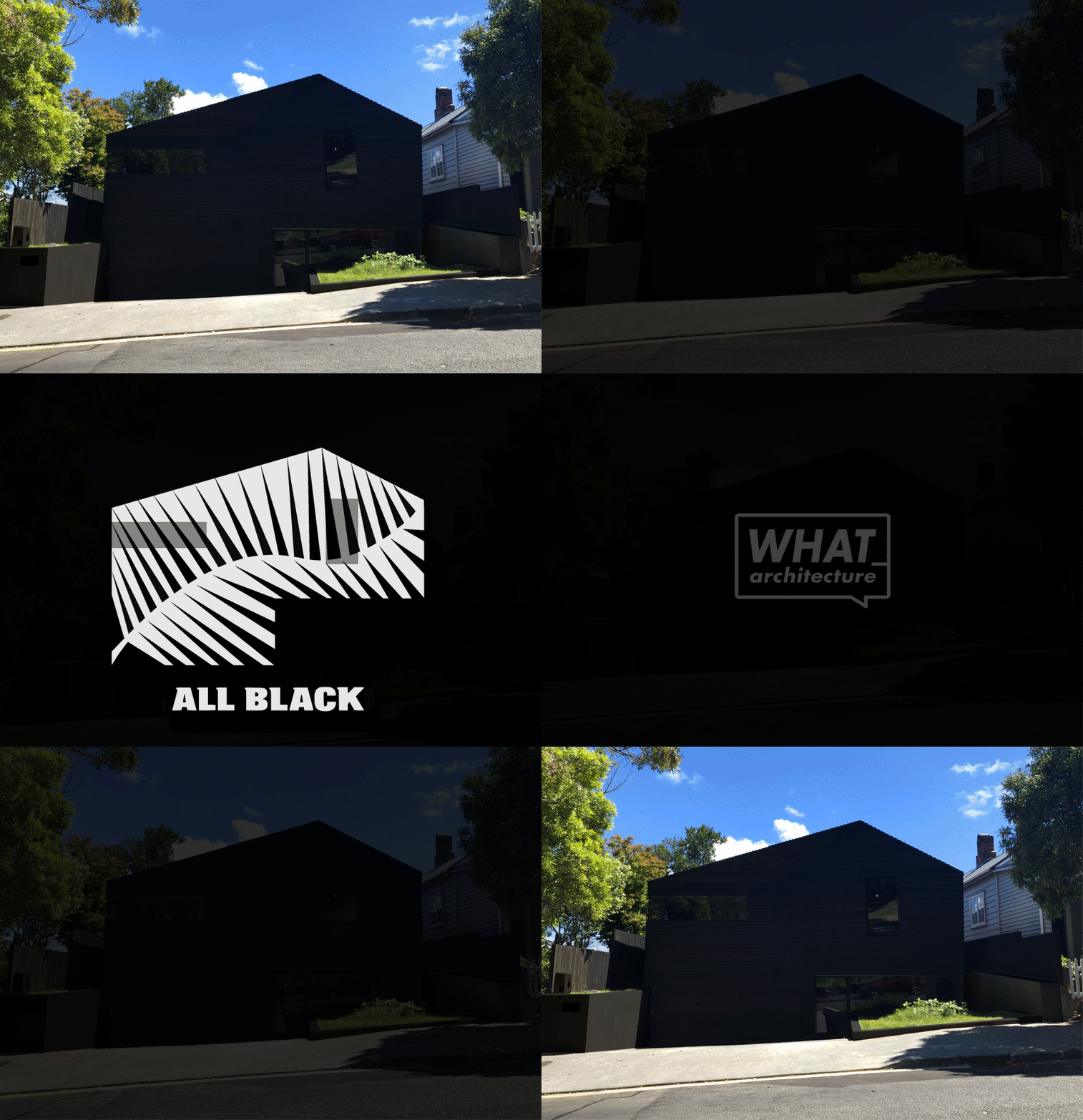

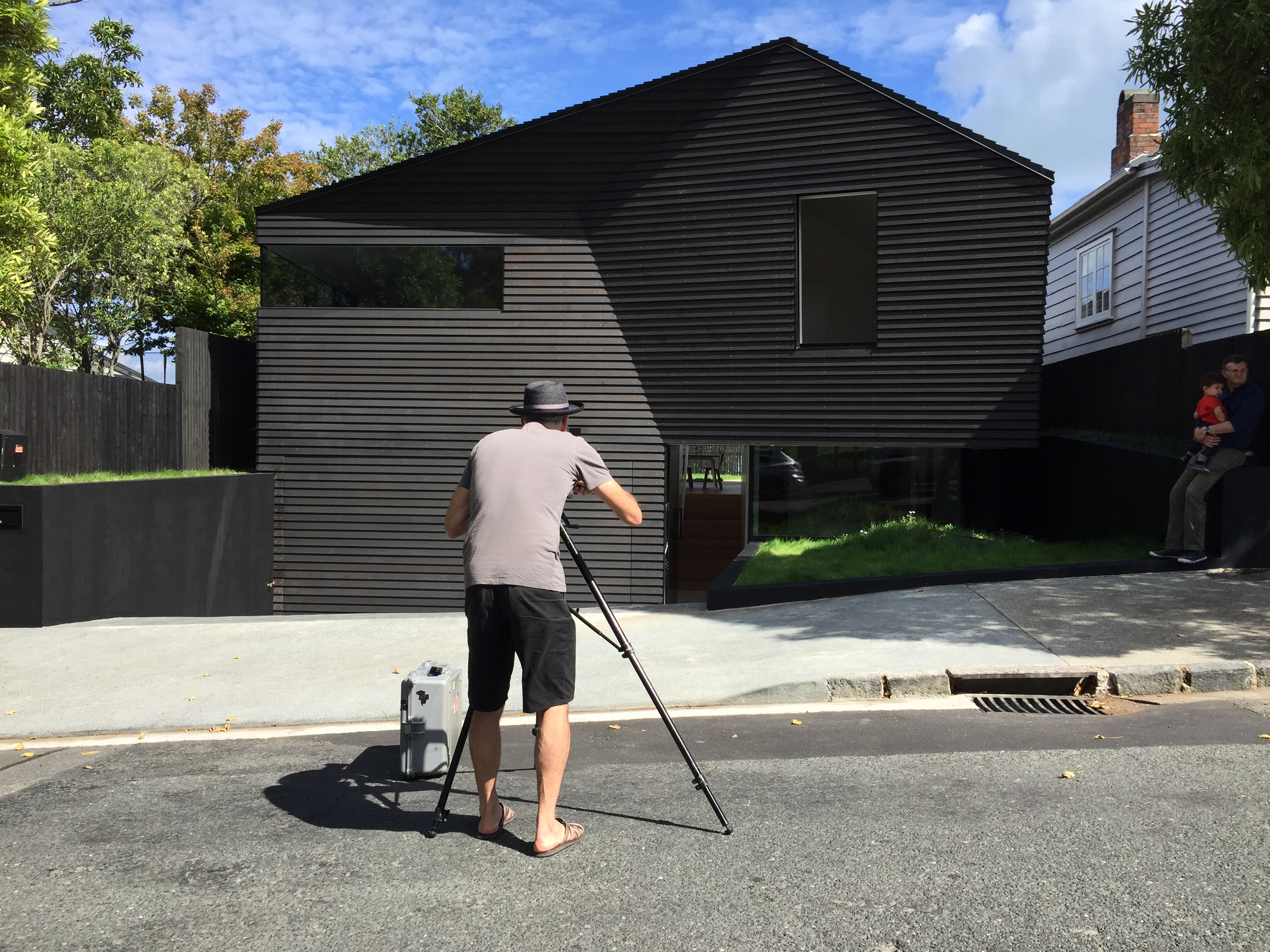
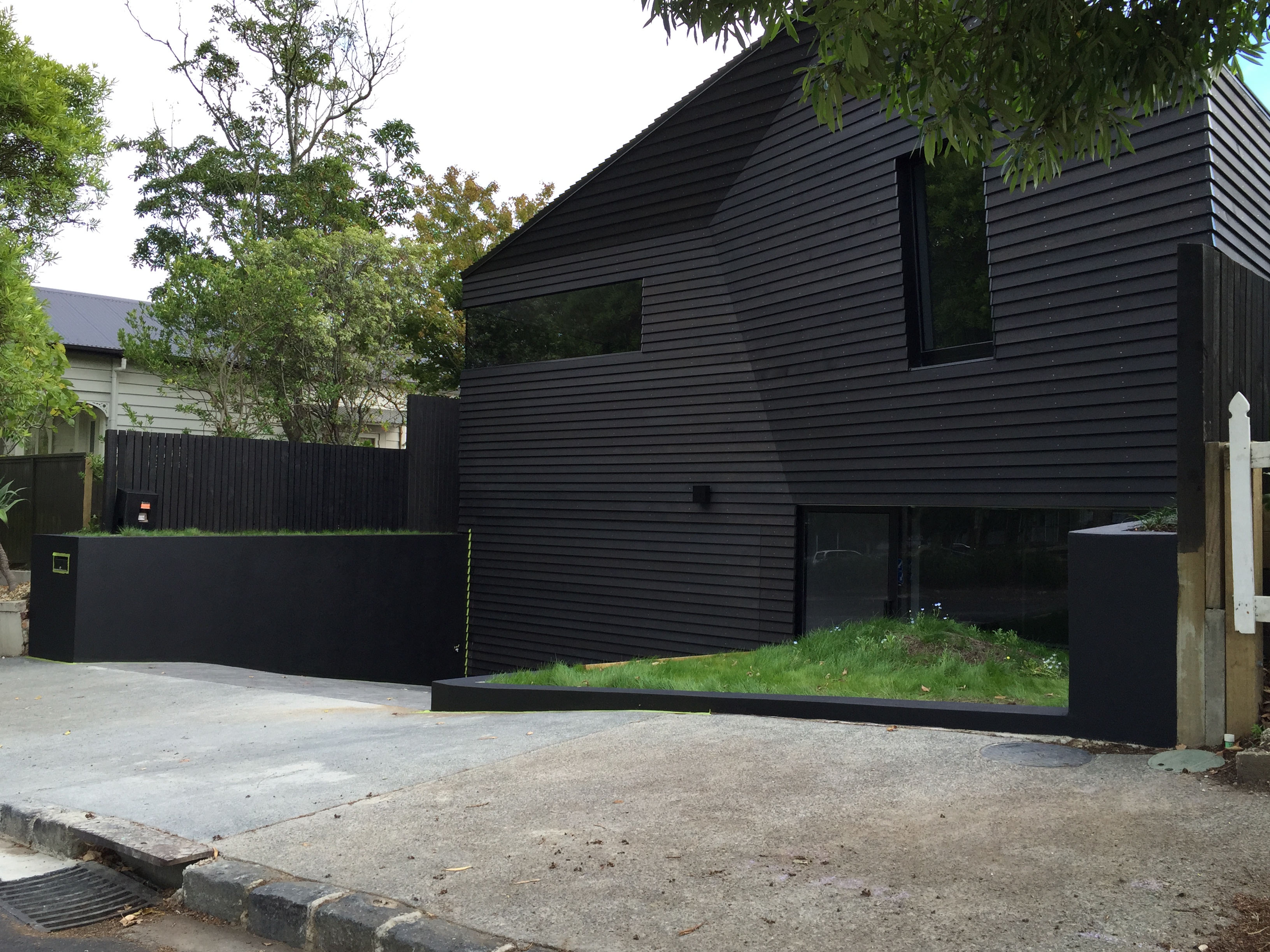
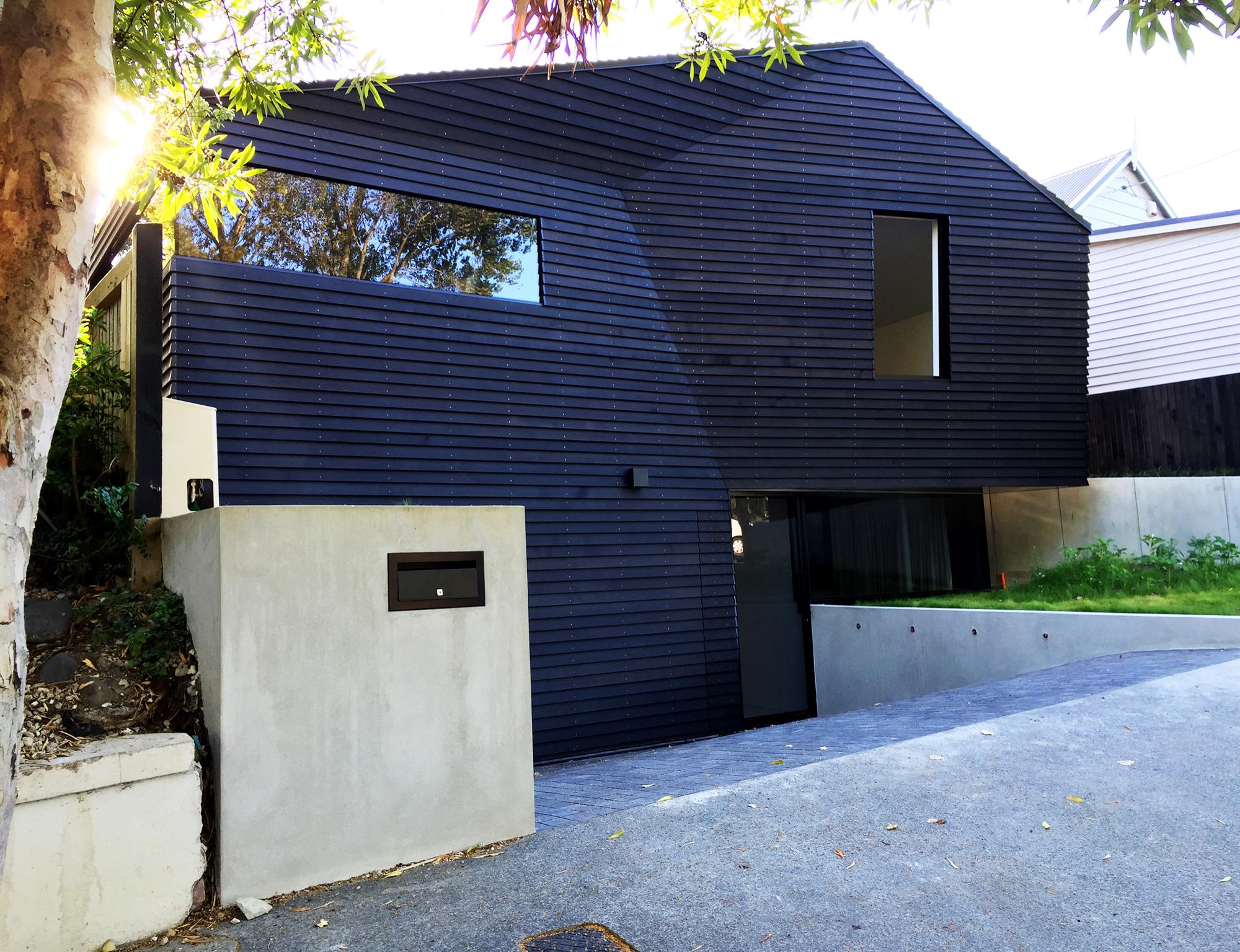
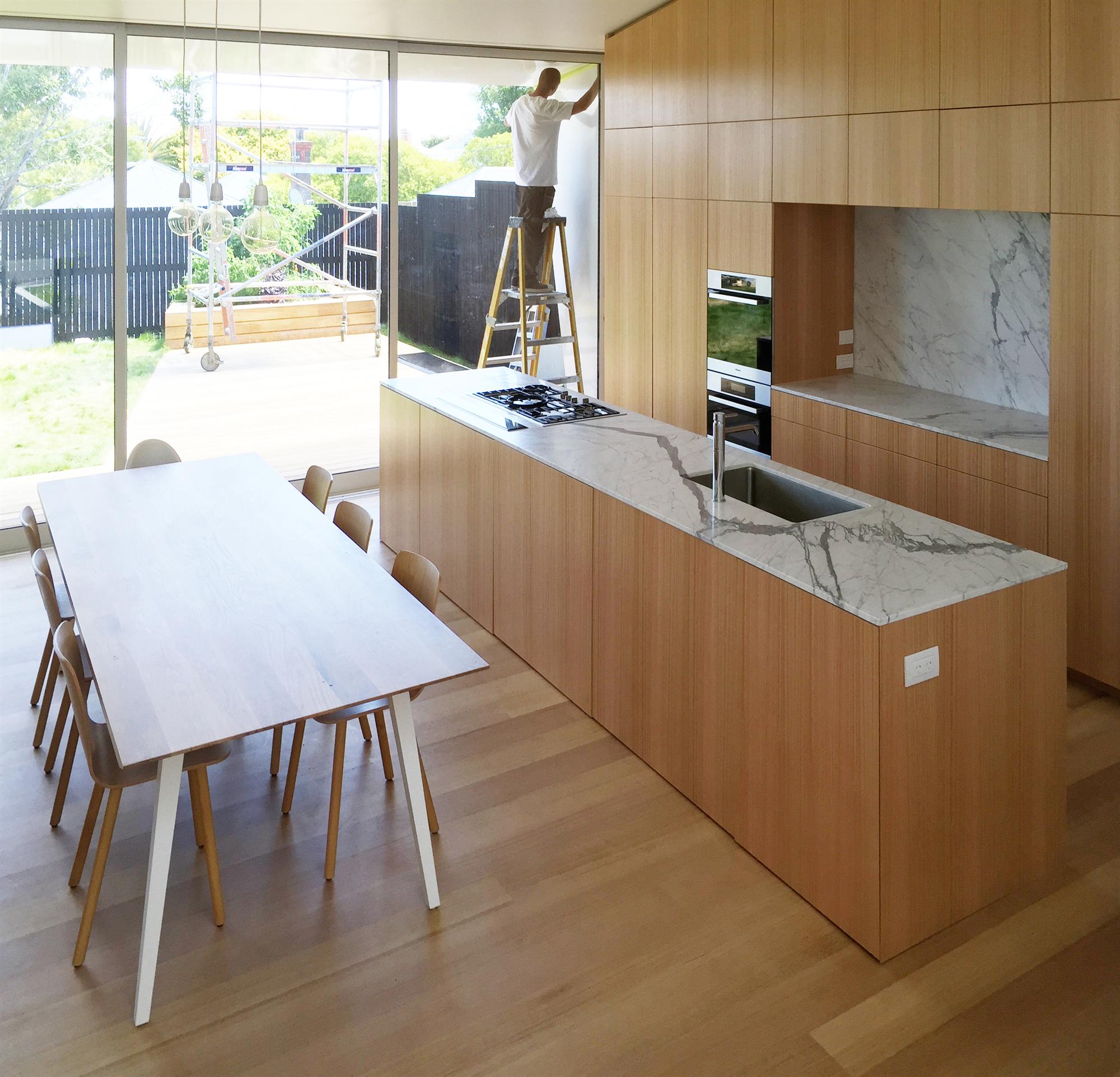
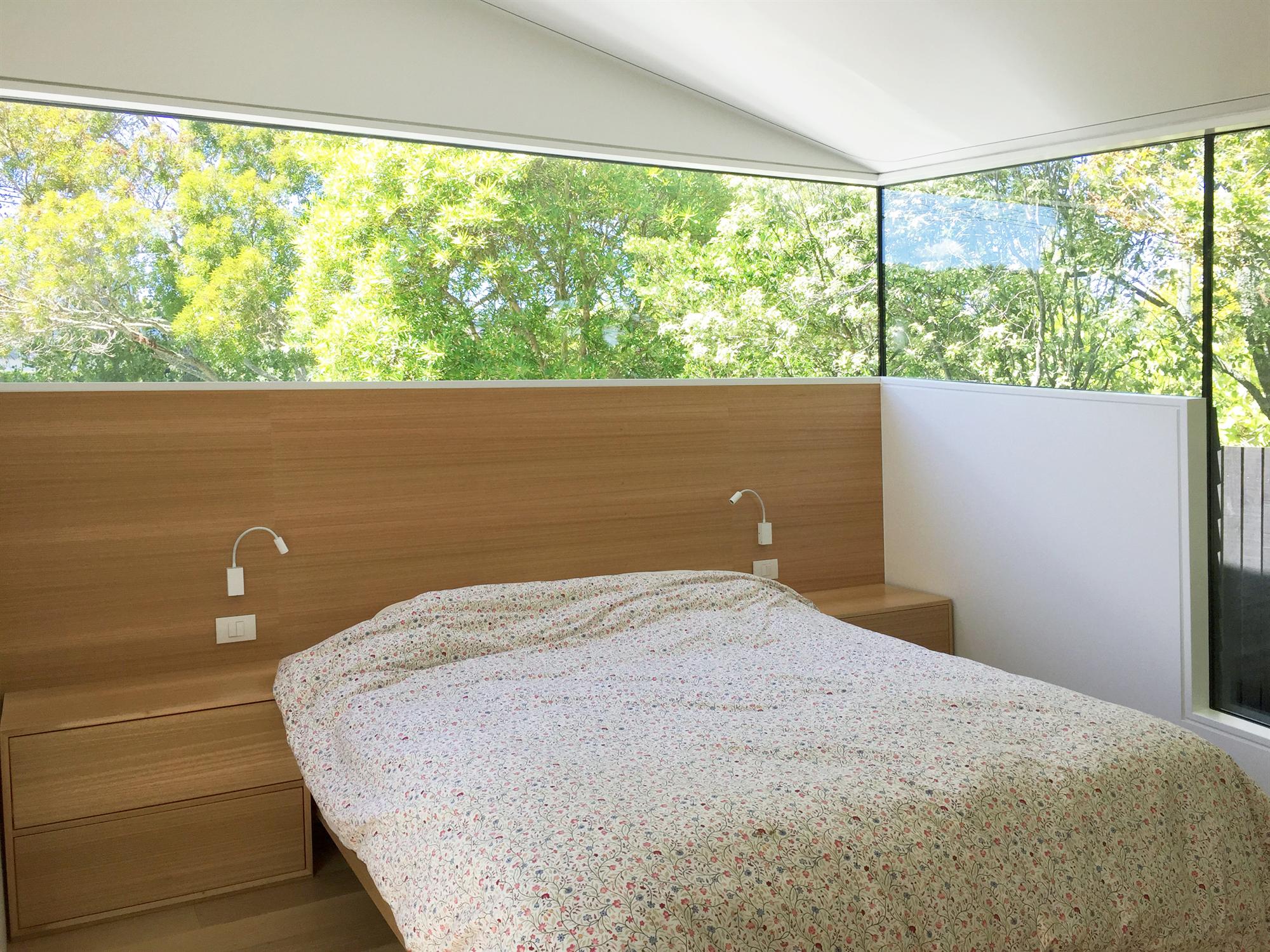
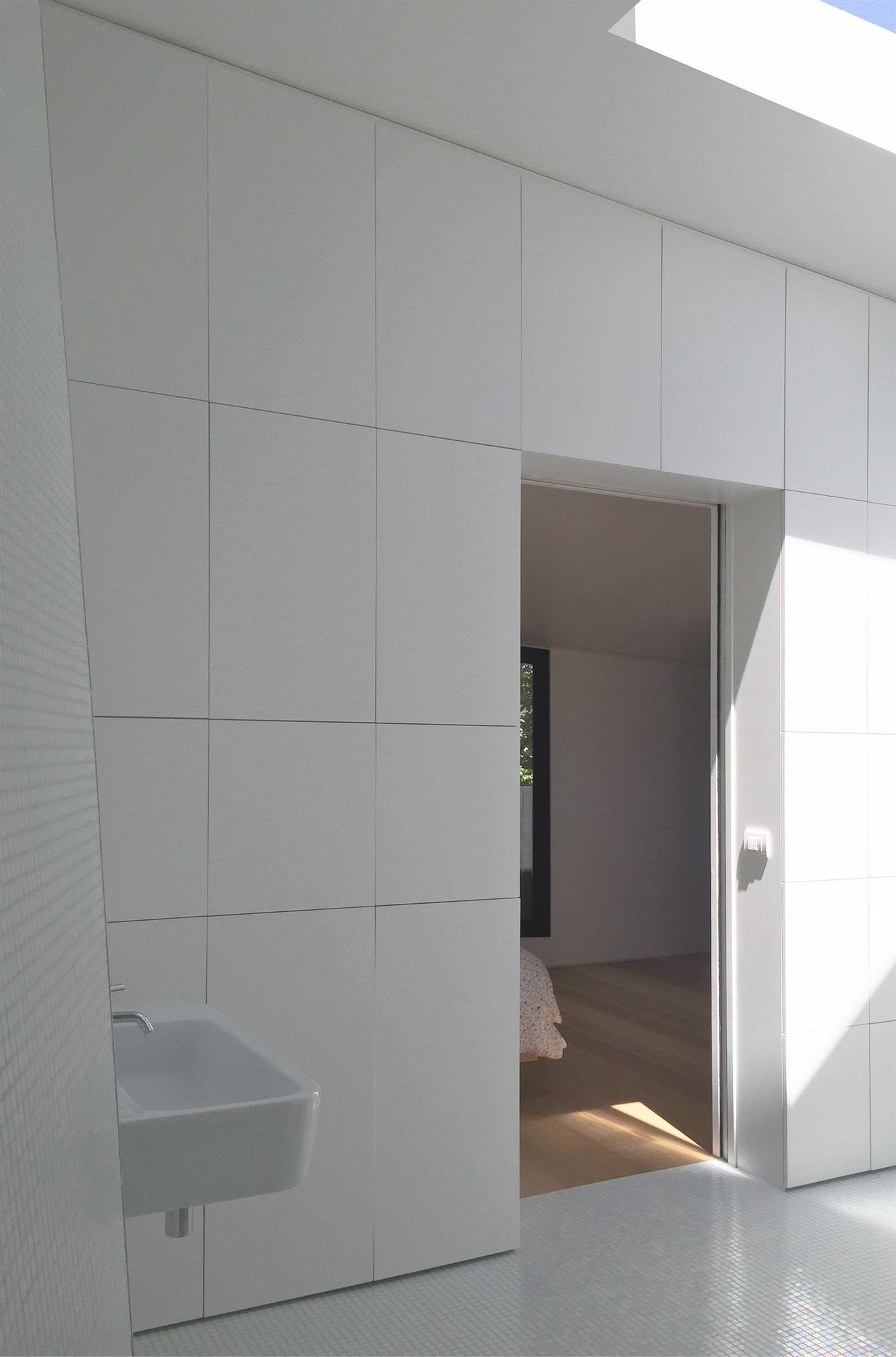

179prs_GAME OF ARCHITECTURE
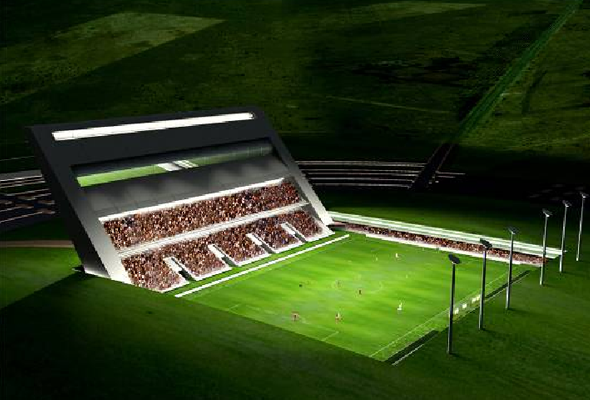
[ARCHITECTS] are so desperate to win [COMMISSIONS] they will try “every trick in the book”, says Liverpool captain Steven Gerrard. “I think it’s normal when you play games at that level,” said Gerrard.
237dog_GAME OF CANINE ACCESSIBILITY
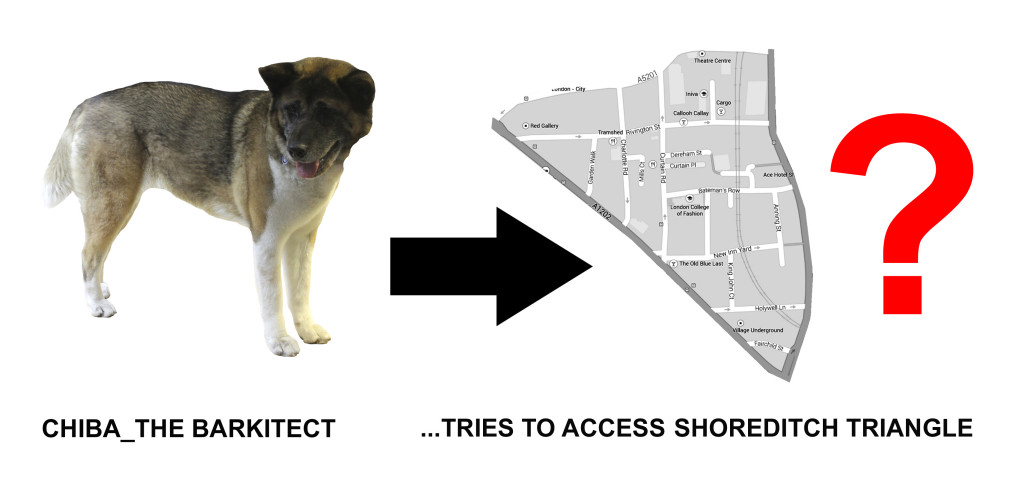
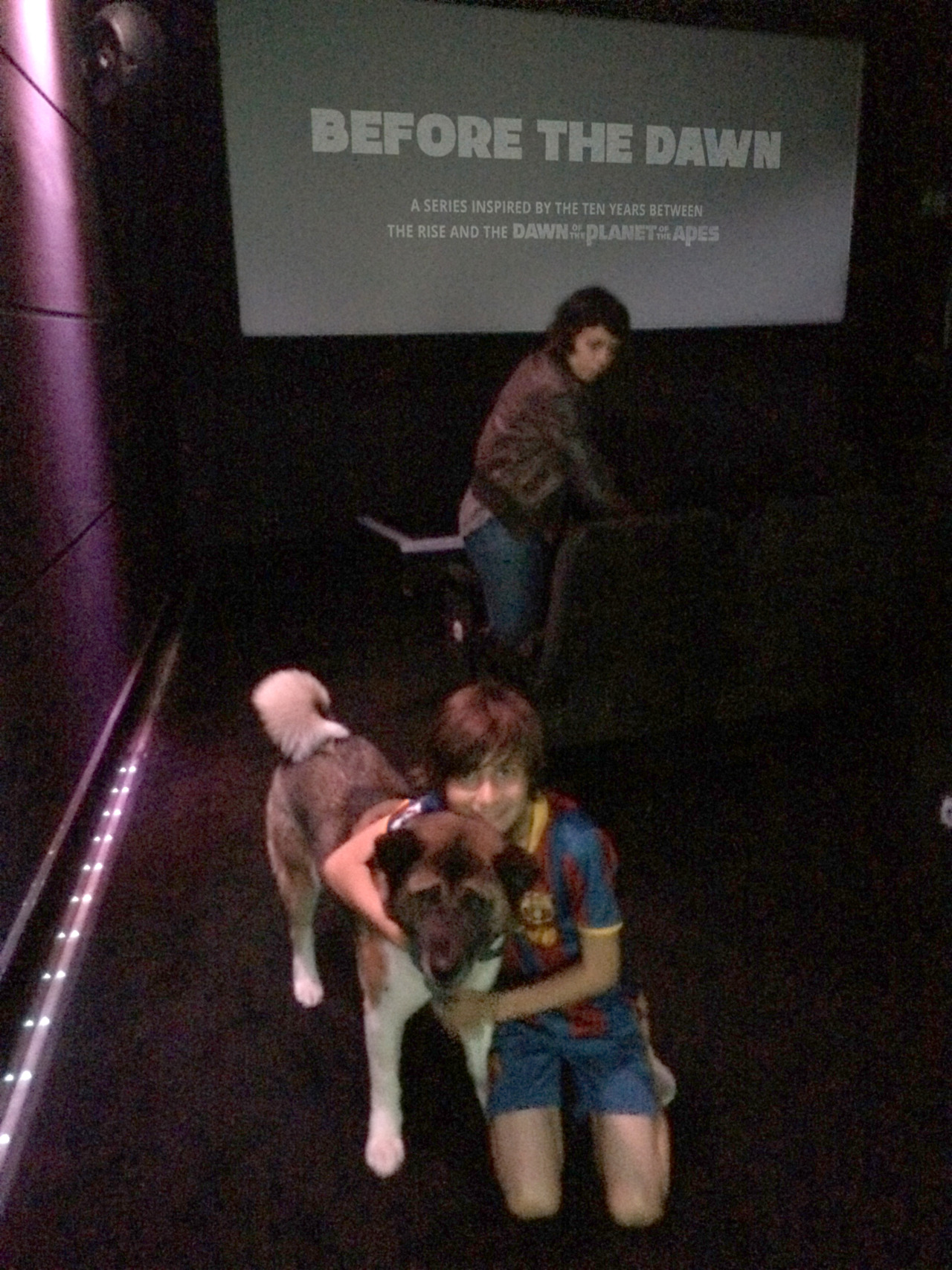
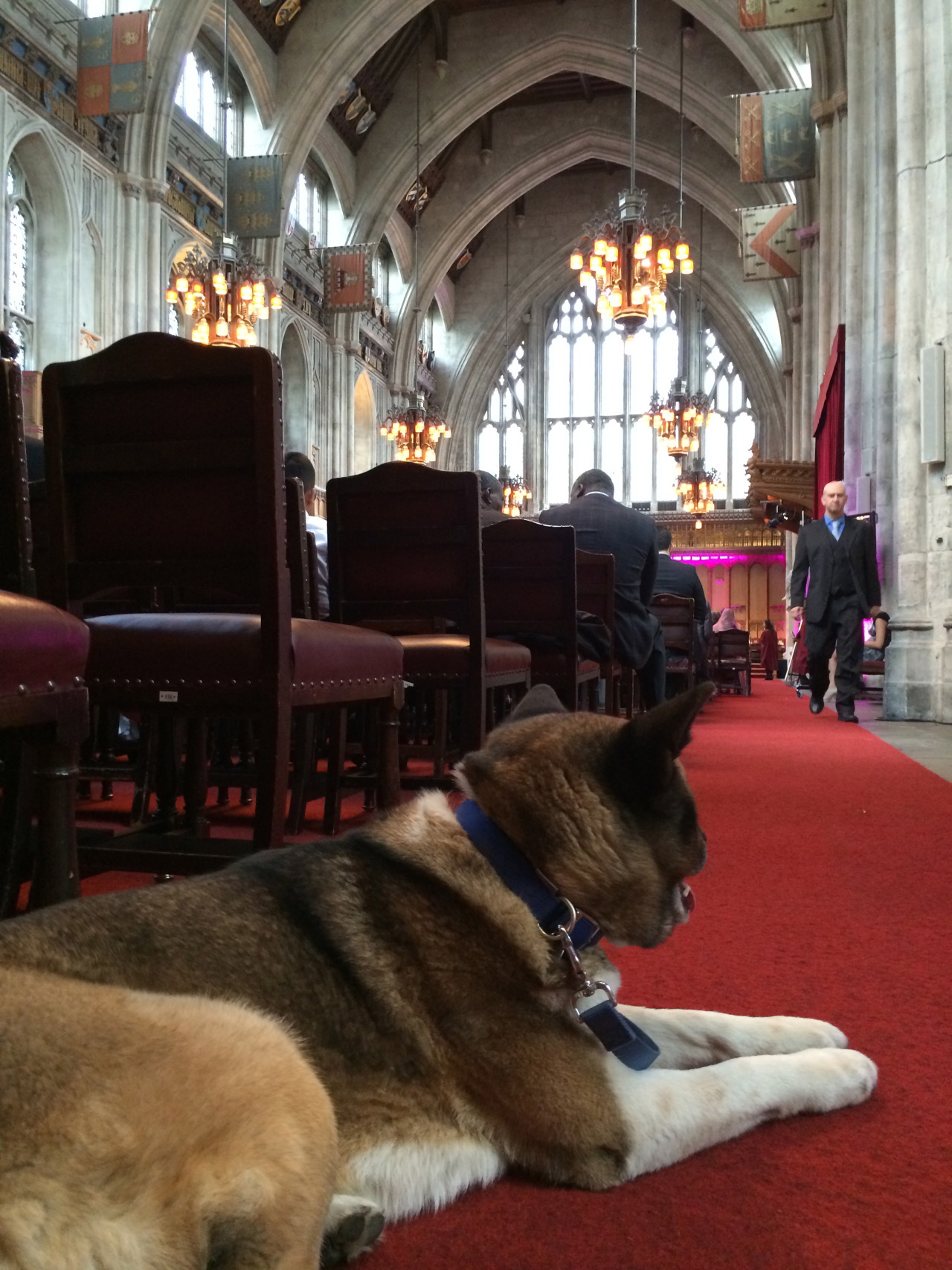
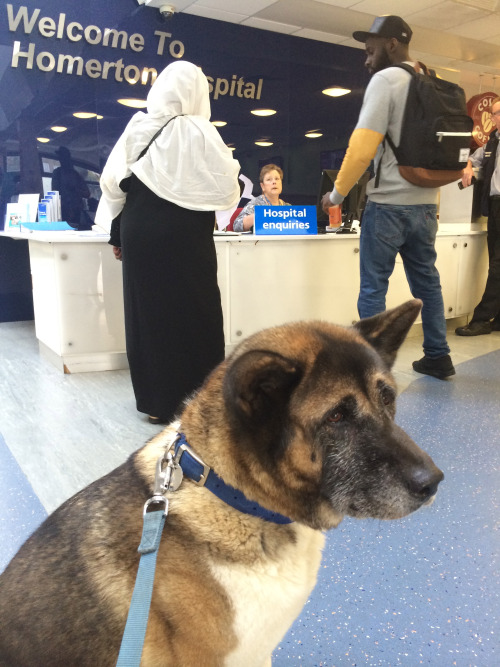
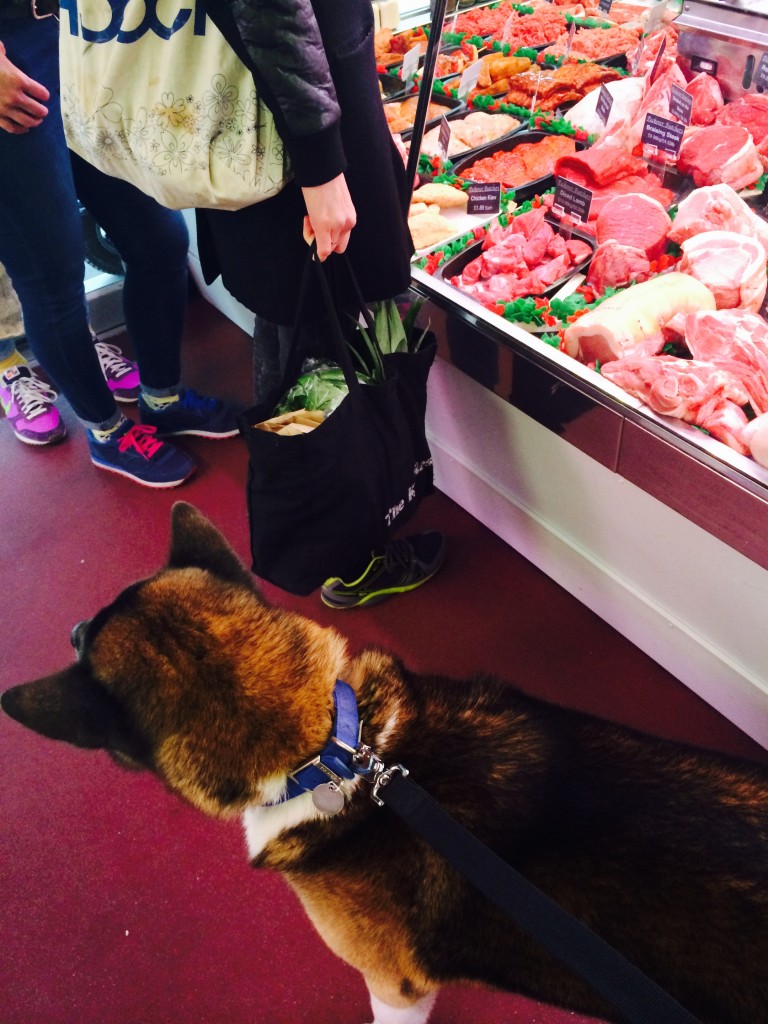
 Chiba, our Japanese Akita rescue dog and a roving ‘barkitect’ sniffs out spaces of interest in Shoreditch… C,,–,,> The Game of Barkitecture is one of identifying canine access. Under the Clean Neighbourhood and Environment Act 2005, local authorities were given the power to introduce Dog Control Orders (DCOs) in order to address dog related issues in open spaces. The DCOs can include dog exclusion orders, dogs on lead orders, dogs on lead by direction orders, removing dog foul orders and orders limiting a number of dogs walked by one person. Any proposed DCOs must be advertised for consultation in local newspapers. Whilst no record is held regarding how many DCOs have been implemented in England and Wales, access officers in local authorities have indicated that there has been an increasing amount of restrictions placed on dog owners every year. This trend has impacted on dog walkers, some of whom have been dispersed onto sensitive land which has caused wider negative effects to both plant and animal life, and thereby causing further restrictions being placed on dogs and their owners. From October 20th 2014, Public Spaces Protection Orders (PSPOs) will be introduced under the Anti-social behaviour, Crime and Policing Act 2014 and will replace DCOs. The local authorities will have similar powers to introduce orders, except there will be no requirement for them to advertise PSPO consultations in local newspapers. So our pet subject is: What is the law on allowing dogs in bars, restaurants and shops? The difference in attitudes to dogs in commercial establishments between say Germany (where dog friendliness ranks above child friendliness) and the UK is cultural rather than legal. There is no British law that prevents a dog entering a premise – it is at the discretion of the landlord. There is a gross misconception in the UK that dogs are not allowed in places where food is served: this is not the case. The only legal obligation on the owner is to make sure there is no risk of contamination and that all food preparation areas are up to specified hygiene standards. So with this in mind we took Chiba along to our local butcher’s Brian Roberts (Peckover Traditional Butchers) which was awarded a Food Hygiene Rating of 4 (Good) by the local Council in 2015 – presumably not a 5 because the sight of a dog in a butcher’s shop still raises an eyebrow or two. The Kennel Club’s Open for Dogs Campaign aims to persuade more UK businesses to be dog-friendly. Each year there is a competition to find the most dog-friendly, with the winners announced at the Discover Dogs…



- 000off_WHAT_admin (240)
- 000off_WHAT_people (88)
- 000off_WHAT_process (141)
- 000off_WHAT_RADIO (22)
- 000off_WHAT_TV (2)
- Uncategorized (22)
- WHAT_projects (680)
- 000mot_House on Motiti (9)
- 012hil_Rooftop Nursery (7)
- 015ree_HOUSE RE-EDITED (2)
- 022gas_Gasometer Gamestore (1)
- 048per_Villa XX (63)
- 056mod_Modling House (6)
- 064man_Iceberg House (2)
- 069hil_CSLCoEPS+CC (15)
- 072hin_Hinemihi (48)
- 086tho_OuterSpace (8)
- 094cla_clapham road (3)
- 096agn_Agnes Riley (17)
- 101par_WHAT_developments (11)
- 105mos_WHAT_mosque (2)
- 107oly_Olympic Landmark (4)
- 111llf_Little London Fields (8)
- 114eoe_Earl of Essex (9)
- 116abk_Salakitecture (7)
- 119bar_BAR 574 (7)
- 121kra_What Library (8)
- 127sho_Shoreditch Overground (55)
- 128art_shoreditch underground (43)
- 129fil_La filature (17)
- 130pod_the film trailer (4)
- 132nnr_fishing living (2)
- 136eoe_The Thin House (3)
- 138won_Crime and the City Solution (1)
- 141sie_Freetown House (7)
- 145cos_Costa Del Thames (3)
- 146oly_Splash (2)
- 148log_ANIMALS AND ARCHITECTURE (2)
- 154sps_the invisible house (6)
- 160hyb_HYBRID/GE LONDON (1)
- 162ico_Hybrid/ge Amsterdam (5)
- 163pea_Perforated Housing Plaistow (2)
- 165sei_Istanbul Seismic Retrofit (2)
- 171leg_Legobusier (4)
- 173ota_Otamiemi (2)
- 177mot_Motiti Master Plan (3)
- 178col_Columnar Towers (2)
- 179prs_practice based research (88)
- 181man_Durusu Manege (2)
- 186cze_sports hall (6)
- 187pyl_Pylon film (1)
- 189bis_Grey Town Masterplan (2)
- 192bul_bouldergaria (5)
- 201mic_ (1)
- 203car_aircraft hangar (3)
- 206win_Winchester Temp Event Space (5)
- 209gub_Tesco Test Cot (2)
- 210qat_WHAT_arabia (2)
- 212ist_Evstanbul (2)
- 213bla_Radio Blablablarchitecture (3)
- 215ash_Ashgabat (4)
- 218coa_Coalwharf Housing (1)
- 221dog_Spotted Dog (8)
- 224nef_Istanbul Womens Dormitory (3)
- 226pea (2)
- 229bat_Bath House Extrusion (2)
- 230pra_Prague 14 (1)
- 231bel_Belgrade Bus and Railway Station (4)
- 236tur_Turkmenistan Pavilion (2)
- 237dog_The Barkitect (6)
- 240val_VALLANCE FC (3)
- 241mer_MERZ BAU (6)
- 242ham_MOD TUDOR HOUSE (1)
- 243sol_SolidSpace (1)
- 245zer_Smart Billboard (3)
- 252car_Atlas Carz (1)
- 253ven_TBC (1)
- 256meh_Simply Fresh (3)
- 260gla_badassymmetry glasses (1)
- 264mar_MARBLE RESEARCH (1)
- 265cos_Game of Homes (19)
- 270lau_HOTELAUNDRETTE (1)
- 276amt_Amtico (2)
- 283off_Container (1)
- 284abh_London Grotto (3)
- 289acc_ACC36 AMERICAS CUP PLATFORM (1)
- r006tan_Tānewhirinaki (1)
- WHAT_design research (7)
- WHAT_TV (4)
- 048PER_BATHROOM MOCK PIN UP!?
- Contact
- Say WHAT_!?
ARCHIVE
- July 2024
- September 2023
- May 2022
- April 2022
- October 2021
- May 2021
- April 2021
- March 2021
- February 2021
- September 2020
- July 2020
- June 2020
- February 2020
- September 2019
- August 2019
- June 2019
- February 2019
- January 2019
- December 2018
- November 2018
- October 2018
- June 2018
- May 2018
- April 2018
- March 2018
- November 2017
- August 2017
- July 2017
- June 2017
- May 2017
- April 2017
- March 2017
- February 2017
- December 2016
- November 2016
- September 2016
- July 2016
- June 2016
- April 2016
- March 2016
- February 2016
- January 2016
- December 2015
- November 2015
- October 2015
- September 2015
- August 2015
- July 2015
- June 2015
- May 2015
- April 2015
- March 2015
- February 2015
- January 2015
- December 2014
- November 2014
- October 2014
- September 2014
- August 2014
- July 2014
- June 2014
- May 2014
- April 2014
- March 2014
- February 2014
- December 2013
- November 2013
- October 2013
- September 2013
- August 2013
- July 2013
- June 2013
- May 2013
- April 2013
- March 2013
- February 2013
- January 2013
- December 2012
- November 2012
- October 2012
- September 2012
- August 2012
- July 2012
- June 2012
- May 2012
- April 2012
- March 2012
- February 2012
- January 2012
- December 2011
- November 2011
- October 2011
- September 2011
- August 2011
- July 2011
- June 2011
- May 2011
- April 2011
- March 2011
- February 2011
- January 2011
- December 2010
- November 2010
- October 2010
- September 2010
- August 2010
- July 2010
- June 2010
- February 2010
- October 2009
- May 2007
- December 1996
